
Table of Contents
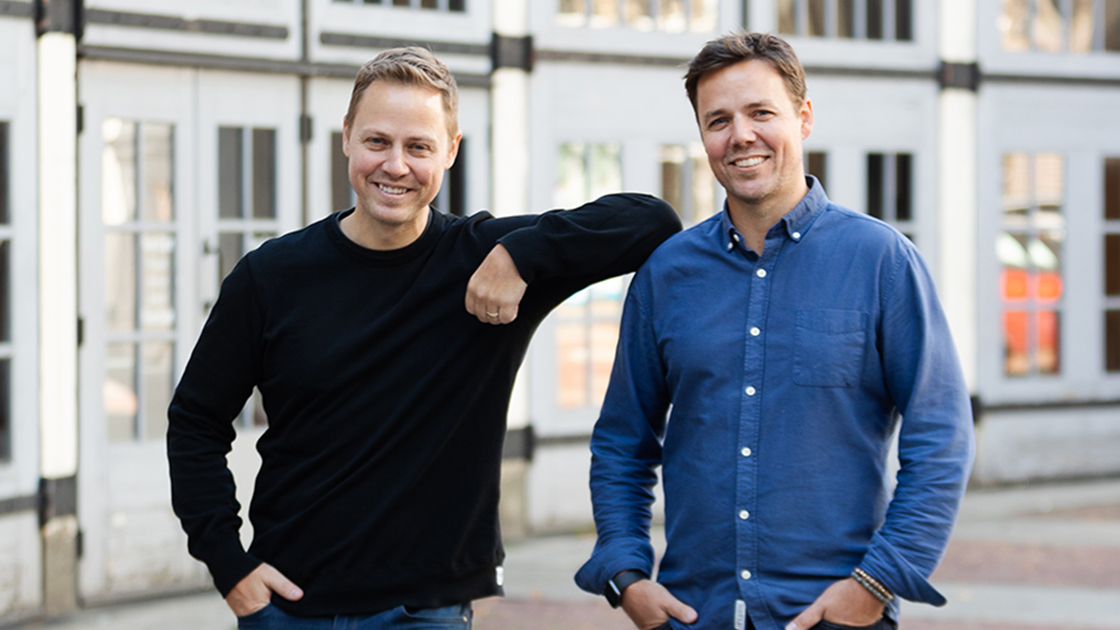
Fresh off of the launch of his recent book, “Beyond the Blindfold: Harnessing the Secret Power of Context”, Vince offers incredible insights in pursuing life through taking action and understanding your personal circumstances through a global lens. With decades of real estate experience in the Lower Mainland, Vince also explains how to make money in real estate, where to buy, and why right now could be an amazing buying opportunity. This episode will not disappoint.
Listen to Episode
Guest Information
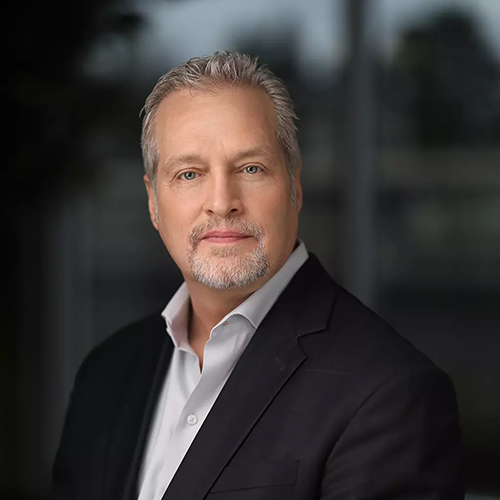
Vince Taylor
With decades of real estate experience Vince Taylor founded Pilothouse Project Marketing, to meet the demands of real estate sales and marketing. He is a leading force in implementing positive change to project development and sales in BC. With his recent book, “Beyond the Blindfold: Harnessing the Secret Power of Context”, Vince shares a collection of essays from successful entrepreneurs and the importance of reflecting on our actions. Vince Taylor is a lifelong entrepreneur who continues to create positive impacts in the BC communities.
Episode Summary
Vince Taylor explains how to make money in real estate, where to buy, and right now could be the best time to invest.
*disclaimer: the information contained below and in the companion audio podcast are intended solely as legal information for personal use and should not be considered legal advice*
Who is Vince Taylor?
I grew up in the Vancouver area and have spent 51 years in New Westminster. When I was 18, I went backpacking in Europe. And I kept travelling, convinced there had to be more to this world. I travelled through India, across the pyramids, swam with sharks and went on safaris. The experiences that I had really formed the basis of who I am today, in both my real estate career and in writing my book, Beyond the Blindfold.
How does travelling the world lead to real estate?
It doesn’t directly. I’ve checked off about 60 countries now and have learned that travelling gets you out of your environment.
If you don’t get out of town, literally and figuratively, you tend to believe that the city you live in is the world.
For better or worse, I learned that my home wasn’t the only or best place. I received a foundational experience about how the world really works, which expresses itself as your values.
Where do you want to live?
I’ve told my kids that they don’t have to live in Canada. You don’t have to live here but if you’re going to live somewhere else, you better go find out about it.
Do you see parallels between travel and real estate?
Yes and no. I think people are entrepreneurial by nature. Having the courage to go and travel speaks to your personality and your risk profile, to some extent. I was born curious and continue to be. But just because I did something one way doesn’t mean it has to be done that way. I love new challenges and real estate happens to be an area where you can express that.
I was actually in the TV and film industry for a few years and loved that business. But it wasn’t conducive to having a young family, so I had to find a new outlet. That’s when I found real estate.
How did you get into real estate?
I bought my first house with a friend when I was about 25 years old and got into real estate professionally in the late 80’s. I’ve been involved in almost every aspect, from the development of real estate to recreational real estate, which is an area we don’t talk about much. I spent a lot of time travelling around North America working on recreational real estate. That really helps to broaden your perspective so you don’t make decisions in a local vacuum.
What is the importance of global context?
I have a Chinese friend who was having a bad day once and told me he was sick and tired of being blamed for the real estate problems in Vancouver. He explained that we live in one of the greatest cities in the world and people around the world know that. International buyers get blamed for buying up real estate that local people weren’t buying.
Unless you understand the context of living in places like New York, Shanghai or Paris, how can you know if the house in Coquitlam is a good buy or a bad buy? Too many people don’t do their homework about the global context. Shanghai is the window to Vancouver; prices in Vancouver are half-priced compared to prices in Shanghai. If you’re naive enough to think other people don’t recognize how world-class our city is and what the prices are, you’re delusional.
If you don’t understand the context how do you make a good buying decision in a world class real estate city.
In global cities, the real estate markets seem to be detached from incomes. Is dealing with affordability a worthwhile pursuit?
It is if it’s approached from a scientific and contextual perspective. To just hope the government will do something to help you buy a house because you happen to have been born in Port Moody is naive and delusional. It isn’t true that you should have a right to buy here just because you were born here. We’re an international city.
Prohibition is a short term fool’s game. If people want to drink, they’re going to drink. If people want to buy real estate, they’re going to buy real estate. So to believe you’re going to create affordability through prohibition is wildly naive. People think, “It’s okay if it’s a problem in London or Tokyo, but not in my town!”
Affordability is based on supply and demand. We have limited land supply and everyone wants to come here. So we have two choices: prices can go crazy or we can dampen prices with supply. On the supply side, we can’t bring product to market fast enough.
We’re also afraid of densification. You can put a lot of people on one acre of land if you go vertical. Or you can have one house on an acre of land and a lot of people who can’t afford it. If you don’t understand those macro economics, you’ll have a hard time on the micro level understanding why a house in Coquitlam is so expensive.
What advice would you give to individuals struggling to get into the Vancouver market?
We all want to see our kids and young people in general own a place in their lifetime. Whether they need to or not is a different question. In Hawaii, you’ll see a bunch of surfers sitting out there waiting for the perfect wave. They complain about how the waves aren’t right until one guy has had enough. He starts paddling and catches a wave. Sure, it’s not the perfect wave. But now he’s set himself apart from the crowd.
You have two choices, you can start paddling and get into the market OR you can complain and wait for the market to be perfect. If you don’t have the money, you phone a friend, you call your rich aunt, and you just have to paddle.
I tell every young person I talk to that they need to do something. Find anything you can afford and get into the market. You just have to do something. Real estate is the greatest generator of wealth, especially in a progressive market like Vancouver.
If you don’t start you can’t be in the game and then you’ll never be in the game.
Why did you write your book, Beyond the Blindfold: Harnessing the Secret Power of Context?
Coming back to Vancouver after my travels, I felt like a different person. There used to be no such thing as the internet or email. When email came around, it allowed people to have private conversations without driving across town. I noticed some of my email answers were inadequate. I was sharing things just because I had been told them all my life.
The internet then came which allowed us to do research. We didn’t have to drive to the library anymore. All of a sudden I realized I was using inadequate information just because someone told me it was true. So I began looking into what was actually true rather than contextually true. I had to work on some of my fundamental beliefs.
The journey of writing this book was very personal. I had to challenge a lot of my personal belief systems. I also wanted to leave a few breadcrumbs for my kids. It was a way for me to face some of my greatest fears and embarrassments. These days when I hear something I don’t agree with, I don’t get offended and I don’t want to argue. Instead I say, “Tell me more.” We can only get to the truth by broadening our minds and broadening our contexts.
Can we unpack what the “secret power of context” really is? And how do you use that to analyze real estate?
Before I understood the power of context, I honestly understood nothing. In my travels, I came across many things that didn’t square up with the values I learned growing up in a small town in Canada. But these seemed like nice people doing the right thing. So I had to start questioning my views. Because I was told something was right, does that make it right?
It’s a deep dive into critical thinking – opening up your mind and letting go of some flawed ideas. Just because you believe something to be true doesn’t make it true.
In a real estate perspective, it can be hard to let go of things when you’re analyzing a deal. But you have to go back to what’s true.
What are the fundamentals?
- You invest in real estate because you want to make money, so you need to sell a property for more than you paid for it.
- You then have to factor in supply and demand.
- Are more people moving in or moving out of that area?
- What area makes sense from a growth perspective?
Contextually, I need to get to the facts. Whatever I used to think isn’t important. You can’t look at the house and decide you’ll take it because the kitchen looks nice. You need to ask about the roof, the hot water tank, etc. Don’t delude yourself with wrong thinking.
Cash flow is challenging to find in Vancouver. Does that factor into your investing strategy? Or is it just about capital appreciation?
Broad strokes, cash flow or cap rate is nearly impossible within the GVRD (Greater Vancouver Regional District). If cash flow is your thing, you have to get out of town. You can get a 10% cap rate in Merritt, but the capital appreciation is virtually 0%. In Vancouver, you’ll have the opposite. So primarily my strategy is looking for areas of growth and appreciation. I hope to break even with my cash flow, but that’s the best you can do.
What areas in Metro Vancouver are you most excited about?
I love Squamish. It’s one of the greatest communities that’s right under our noses. No one ever used to ask what’s west of West Van. Local people missed the fundamentals of Squamish:
- Waterfront property one hour from a major airport.
- Half an hour from the best skiing in the world.
- An easy drive on the Sea to Sky to downtown.
- A fantastic community.
If you think Squamish is expensive now, it’s going crazy from here on in.
Mission used to be out of the way but now it’s absolutely exploded. You want to find work out there so you don’t spend your life commuting. But you don’t have to commute as much anymore. People in Abbotsford are fiercely independent and proud of where they live. They don’t have to come into Vancouver anymore.
The GVRD corridor has grown so much. Outlying communities are now central. That’s where the investments are – it’s where young families can do well and investors can make money. That’s why I’m bullish on the Valley, the tri-cities and Squamish.
Any areas of interest outside of Metro Vancouver?
The biggest city outside the pond is Kelowna. We all know people who move to Kelowna and don’t move back. The weather is great and there’s lots of outdoor activities. The biggest issue is employment opportunities. Real estate gets tangled up with employment which limits opportunities outside of big cities.
If you want a lifestyle change, Kelowna, Kamloops and Vernon are great. But once you’re out of the Vancouver market, it’s a long bridge to get back in. You have to do your homework to see if it makes sense before you move.
Were you surprised by the strength of the market over the last 18 months?
We had a crazy market pre-2017, which seems like it was a million years ago. People were exhausted by the high prices. We had a recessionary period between 2017 and 2019, and it was a healthy recession. But then it started to come back in 2019 because demand had built up and there was no supply. Just as we were going into covid, we froze in time. But nothing macro-economically changed from a real estate perspective. There were still a lot of people who wanted houses and there weren’t many houses available.
There was nothing going on for the first six months of covid. Then, people started to feel more positive. Interest rates fell to historic lows which will never happen again in your lifetime. Prices were depressed because people couldn’t sell.
Interestingly, pre-sale did not take off right away. That’s because we sell the future. If you don’t believe tomorrow will be better than today, why would you give me money today for something I can’t deliver for two years? But once the resale market got so crazy, people had to come to pre-sale by default. People were so frustrated by getting outbid that they came to pre-sales where we have guaranteed supply and guaranteed prices.
We now understand that there are hundreds of thousands of people waiting to come to Vancouver once the borders open. We have all of those people coming in on top of low interest rates and growing confidence in the market, meaning this market is going to explode. The prices you’re seeing today are low. Just wait until the border opens. Where are 120,000 people going to live?
So am I surprised? No. We all got hurt in our own way during covid. But it’s going to get way more expensive in the coming years.
What does the market look like for the rest of 2021 and going forward?
Anyone who tells you they can see past the next 18 months isn’t being truthful. Business cycles are hard to predict beyond 18 months.
I would say, buy everything you can in the next 18 months because you ain’t seen nothing yet.
We have huge demand, low supply and a world-class city. Interest rates have to go up.
The borders will open and it will feel like a midnight madness sale in an already overpriced city. The government will then announce rising interest rates and those people on the fence about buying will jump in. That will drive the second wave of increased prices. 18-24 months from now, people will be exhausted. Prices will calm down for a year or two and then it’s going to go up again.
You can be the old guy saying “should’ve, would’ve, could’ve.” Or you can start paddling. The government isn’t going to help you; you have to help yourself. Everyone wants to come to Vancouver. It’s time to let go of your flawed arguments.
The 5 Wire
What’s your favourite bar or restaurant?
Shoutout to the Blue Water Cafe, fantastic food, wine, and a great atmosphere.
What’s your favourite band or song
Sweet City Woman – The Stampeders
What is one book you would recommend to our listeners?
Atlas Shrugged – Ayn Rand
One piece of advice you would give your 18-year-old self?
I would have started buying real estate and being more involved earlier.
Work, Save, Invest, and Repeat.
What is something you have purchased for under $1,000 that has positively changed your life?
Cooking is my hobby so I hate that I’m recommending an airfryer, I didn’t want to like it but it is a magical tool.
Episode Hosts
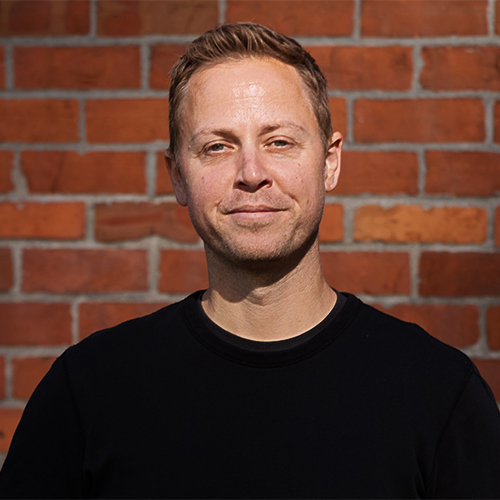
Adam Scalena
Adam is a full-service realtor, specializing in Vancouver’s best areas. His systematic approach to real estate and dedication to his clients has consistently placed him within the top 10% of realtors operating within Greater Vancouver.
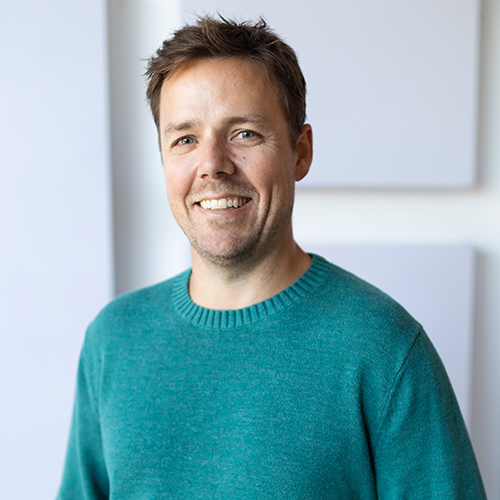
Matt Scalena
Matt is real estate obsessed and considers himself a lifelong student of the Vancouver real estate market. As a co-manager of the Scalena Real Estate team, Matt prides himself on expertly advising buyers and sellers on all aspects of the fast-paced, dynamic Vancouver real estate market. He is present at every stage of the process, from that first phone call or email right through to when keys are exchanged between sellers and buyers.
Episode Sponsor

VREP2020 for realtors who want to join and get a special sign up bonus.


