
Powered by RedCircle
Episode Summary
Pete Fry
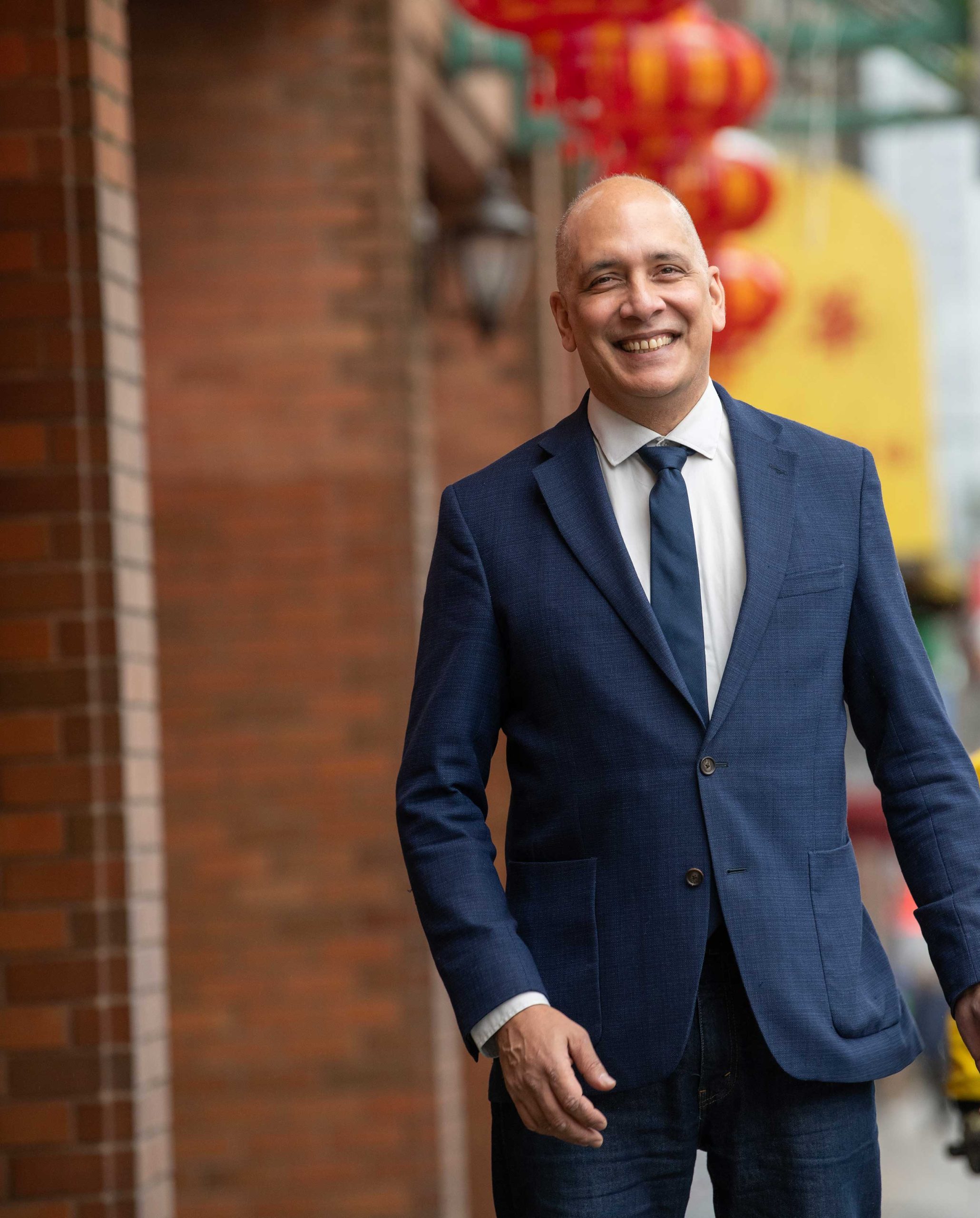
First elected to Vancouver City Council in 2018, Pete Fry has worked to deliver real solutions for housing, renters, small business, public safety, arts & culture, animal welfare, and climate action.
Since 2022, he’s been safeguarding public trust. Standing up as the voice of the opposition to Ken Sim and his ABC party, Pete has helped block his attempts to unilaterally remove the elected Park Board, called out attempts to improperly influence police operations, thwarted their efforts to remove the Office of the Integrity Commissioner, and exposed back room dealings and misuse of civic assets.
Episode Host
Adam Scalena
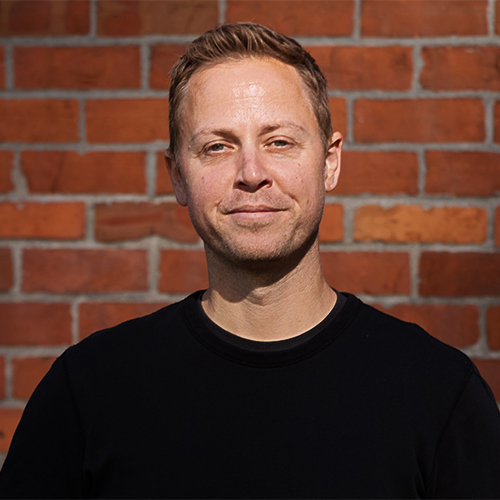
Adam is a full-service realtor, specializing in Vancouver’s best areas. His systematic approach to real estate and dedication to his clients has consistently placed him within the top 10% of realtors operating within Greater Vancouver.
Matt Scalena
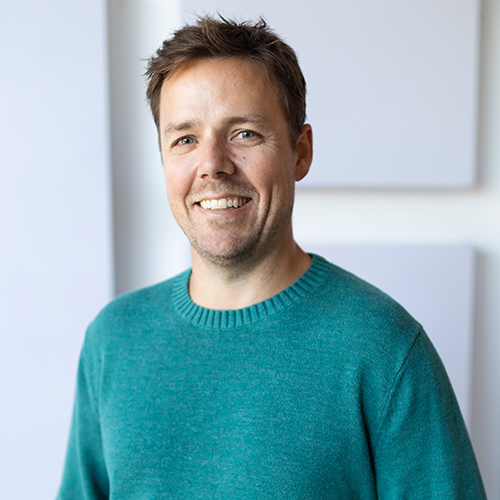
Matt is real estate obsessed and considers himself a lifelong student of the Vancouver real estate market. As a co-manager of the Scalena Real Estate team, Matt prides himself on expertly advising buyers and sellers on all aspects of the fast-paced, dynamic Vancouver real estate market. He is present at every stage of the process, from that first phone call or email right through to when keys are exchanged between sellers and buyers.
Sponsors




Full Podcast Transcript – Interview with Pete Fry
This transcript has been lightly edited for clarity and readability.
Adam Scalena: We’re here with Pete Fry, Vancouver City Councillor and Green Party of Vancouver mayoral candidate. How are you doing, Pete?
Pete Fry: Pretty good. I feel like I’m overdressed with the tie, so I’m just going to loosen it up. There we go.
Matt Scalena: We’re known as the groovy podcast, so this is great. Thanks so much for taking the time, Pete.
Pete Fry: Adam probably sees me more in my alter ego anyway, walking the dog, where I’m kind of incognito. Not really, but I like to think I’m incognito.
Adam Scalena: I feel like you’re a staple of Strathcona and East Vancouver, so we need to talk about that as well. But before we get started, Pete, can you start by telling our listeners a little bit about yourself?
Pete Fry: My name’s Pete Fry. I was born in Ireland and immigrated here when I was a little boy, grew up in Vancouver, and pretty much everything about me has been shaped by Vancouver. I dropped out of SFU in 1988. I was always an artist, and I started doing graphic design on a computer, which at that point was a very novel concept, cutting-edge stuff. I got really involved in the leading edge of design, ran a few businesses, a print shop, a retail shop for a while, a couple of different print shops actually. That morphed into a career in graphics, then later communications, and later strategic communications. Over the course of that time I started to feel a little burnt out doing corporate work. I was doing a lot of corporate stuff that didn’t inspire me the way I needed to be inspired, having come from a really creative place as an illustrator and an artist. Gradually you get a mortgage and bills, and the gigs become more corporate and more boring, but pay better. I became really inspired to do more in the community. Living in Strathcona, a very good friend of mine was hit by a car on Prior Street and ultimately lost his life, and that propelled me into more activism around traffic calming and safety issues, specifically on Prior Street. In Strathcona at the time there was a lot of rat running through the neighbourhood. I became chair of the Strathcona Residents Association and sat on the Downtown Eastside Local Area Plan, which was a very deep dive into some of the more complex issues around the neighbourhood, because it encompassed Gastown, the Downtown Eastside Oppenheimer District, Chinatown, and Strathcona, and some of the most vulnerable people in our city, obviously struggling with mental health, addictions, PTSD. Then I found a niche working at RayCam, which is a community centre that deals with a lot of families who struggle through circumstances that are maybe out of their control. When things go south, the Ministry of Children and Family Development steps in and takes the kids into foster care, and then the kids don’t thrive in foster care and the parents don’t thrive without their kids, and it all spirals into a horrible mess. We realized, what could we do more proactively to get ahead of some of these issues? Is it food insecurity? Is it mental health support? Is it early childhood screening for learning differences? We worked with Children’s Hospital and educators, and it was a really exciting bucket of work. Then I became inspired to run for city council, and I was elected in 2018. It’s been an absolute privilege to serve as a city councillor for the last eight years. The first four years were challenged with the pandemic, obviously, and that was a very challenging time to be a city councillor, with all the things that went sideways. It was also a challenging time to live in Strathcona, as Adam will recall. We had a huge encampment in Strathcona Park, and it was pretty tough. I like to think about that time as the Downtown Eastside being a very cracked, fractured system in the first place, and the pandemic came along and busted it into a million pieces, so everything became demonstrably worse. Poverty, addictions, mental health, now acquired brain injuries, businesses closing down, the feeling that the streets were unsafe. That ultimately gave a runway for Ken Sim and ABC to sweep into power in 2022 on the heels of a viral video, which you may recall, “Vancouver Is Dying,” which painted a very bleak picture of Vancouver and a need to shirk so-called woke attitudes towards things like addiction. The conversation at that time was around decriminalization. We were also on the heels of the defund the police movement that came in the wake of the murder of George Floyd. There was a lot going on, and Ken Sim and ABC came in with a very law-and-order, conservative approach to deal with it. What I’ve found, though, is that the last four years have actually been an even more difficult council term than it was with the pandemic. It’s a highly partisan and, I would say, quite toxic environment at City Hall these last four years. It’s very politicized, very insular. A lot of stuff happens in the mayor’s office that shouldn’t happen that way. We have a responsibility as local government in British Columbia, and typically everywhere in Canada, to have a degree of transparency and accountability. We don’t really operate like a legislative body or a parliamentary body. We’re a board. We’re legally authorized by the Province of British Columbia to conduct business, to make land use decisions, set bylaws, collect taxes, all that kind of thing. But we have a responsibility to be very transparent about that and be very open and accountable, and we haven’t seen that. In fact, there have been some really dangerous transgressions of the rule of law. The Ombudsperson of British Columbia called Ken Sim and ABC’s tactics a “disturbing repudiation of the rule of law,” which is a pretty damning indictment of how things have been going at City Hall. For me, and this is the nerdy part of me, I’m really inspired by good governance and how we do things right. We have an amazing city. We all choose to be here because we love it here, and there are a lot of great things about Vancouver and this part of the world. But we have some problems too, and it’s how we solve those problems and how we lean in on it together. I don’t see that leadership from Ken Sim, and that’s why I’m running for mayor.
Matt Scalena: You beat me to it, Pete. It sounds like you came out of grassroots organizing. I’m sure at the time your friend tragically got hit by a car, you didn’t have aspirations to become the mayor of Vancouver. This sounds like a progression. Are you running for mayor because of the last four years specifically, or for some other reason?
Pete Fry: I’ve become pretty effective at this job. Being a city councillor has been a magnificent privilege, to serve the public. I’ve really leaned into the work and I’ve got a great depth of knowledge on how this works. And I’m inspired because I think Vancouver deserves a better mayor than what we have now. For the last eight years I’ve been on the board of the Union of BC Municipalities. That’s a governance board. We just finished up our annual convention last week, where a couple of thousand local government elected mayors, councillors, and regional directors all come together and work on policy and develop policy. Really, we try to influence the provincial government, because local governments in this province are what we call a creature of the province. The province creates the rules that allow us to exist. So we come back with, we need this change, we need that change, we need more funding for affordable housing, we need more infrastructure funding, and there’s that tension and that partnership with the province. What I’ve seen working with local governments across BC over eight years is that most of them, the effective ones at least, don’t have partisan political systems. The mayor is the cheerleader-in-chief, and the mayors look to their council and say, you’re really good at this thing, you’re really good at that thing, your passion is road safety, your passion is agricultural reform, your passion is streets and infrastructure. How do we lift you up? They’re not working for some partisan interest or some backroom stuff. They’re working for the betterment of their community, for their town or their city. That’s the kind of leadership we deserve, and I think all local governments deserve. I don’t see it from Ken Sim. It’s certainly through that frustration, and knowing that Vancouver deserves a lot better. I probably should have prepared a list of all the egregious things Ken has done in these last four years, but when you start to go through them, everything from wanting to put taxpayer funds into Bitcoin, to showing up in running shoes and sweatpants at Remembrance Day, to converting our boardroom into his private gym, to inappropriately directing the police board in violation of the Police Act, to the extent that really respected governance people have resigned from that board in absolute outrage. Because we have a responsibility to do things by the book and to do things transparently. Certainly when it comes to policing. I want to be super clear that my late father-in-law was a cop. We talked a lot about the importance of policing and the integrity behind the job, and how police have to be beyond reproach. They have a huge responsibility to society, and with that responsibility they also have to conduct themselves appropriately. There can’t be a whiff of backroom politics involved in policing, or otherwise the whole thing has an ugly taint. Unfortunately, we now have that ugly taint with policing in Vancouver, in no small part thanks to the undue influence of the mayor’s office on the police board and in police operations. Take Operation Barrage. One of the attack ads that Ken Sim put out on me, because apparently once you start doing well they roll out the attack ads, talks about Operation Barrage. I was there. I was called by media. They got a press release and asked if I would show up and comment. I said sure. I didn’t know what it was about. The door opens, and out walks the chief of police, Ken Sim, and the entire ABC caucus to announce Operation Barrage, which was a street sweep program for the Downtown Eastside, a pilot kind of thing. What was interesting was that it was not run through the police board at all, and that’s how it’s supposed to be. It was cooked up, and it had a price tag. The first question out of the media’s mouth was, what’s this going to cost? Without skipping a beat: five million dollars. What that tells us is that the mayor and his caucus and the chief of police cooked up a tactical police operation, costed it, and never went through the police board, never went through the rest of council, did not open it up for debate and decision in a transparent and accountable way, which we are obliged to do under the letter of the law. That’s no good. On top of everything, I see how these last four years have demoralized a lot of folks who work with the city and worked at the city, and it’s ruining a lot of what’s really good about the city. I think we can’t afford another four years of Ken Sim. The one thing I will give Ken Sim credit for is gifting me this role as his biggest critic. After backing me into a corner and trying to bully me, like he bullied my colleague Adriane Carr out of office, I came back swinging and decided, yeah, I am going to be the opposition guy, I am going to call you out on your bullshit. And I’m happy to do it. It’s also given me a bigger media profile and a lot more credibility. People now know, well, Pete Fry may not love the guy, but at least he’s honest, he has a lot of integrity, and he’ll stand up for what’s right. If that’s how I go down, I’m fine going down like that.
Adam Scalena: Well said. Pete, pulling back a bit and thinking about this election, what are some of the biggest issues that Vancouverites are thinking about?
Matt Scalena: Can I piggyback on that? Good governance is obviously a passion of yours and there are clear issues there. But can we think about that in relation to the other issues going on in the city and what you want to change?
Pete Fry: I fixate on the good governance part because that is the essence of the job. It’s about governance and ensuring we’re doing things by the book. But broadly, the issues here all stem back to quality of life, and quality of life has different manifestations for different folks. Small businesses are struggling with too much red tape, the stress of the tariffs from the United States, and how they’re going to pivot with their supply chains and things like local procurement. I can get to the local procurement thing, because that was a plank I brought out last week in specific response to some of the stuff Ken Sim had done. I think affordability writ large is a very real issue for pretty much everybody. Affordable housing is a major challenge, and we’re not really delivering on a lot of it. As you guys will know, a lot of the tower-form concrete stuff just isn’t pencilling out. It’s not getting financed, it’s not getting built. We’re moving a lot of paper around, but nothing’s getting built. I see a real opportunity to pivot through planning and design and zoning into four-to-six-storey wood-frame construction and do a lot more of that kind of gentle density, because it’s faster, cheaper, pencils out better, and, double bonus, it’ll support BC jobs in a sector that’s struggling really badly right now. I go back to my UBCM experience, where I work with folks from forestry communities who are also struggling. I do believe that Vancouver, as the city of note for this province and the largest city, has a responsibility to also lift up the rest of the province and work more proactively with our province. Metro Vancouver, the regional district, is responsible for our pipes and our water and our wastewater, and Ken Sim doesn’t even show up for it. He’s been mayor for four years, and you could count on one hand how many times he’s shown up for Metro Vancouver. Meanwhile, Metro Vancouver is going through an existential crisis. They just fired the CAO. The wastewater treatment plant in North Vancouver has ballooned out of control. We have a wastewater treatment plant at Iona that’s going to be largely us on the hook for it. And our mayor’s MIA. We’ve got major infrastructure deficits, and the mayor does not bother to show up, which to me is appalling. It comes back to good governance. The other big issue is safety. You’ll note that I don’t refer to it as public safety. I refer to it as community safety, because I think there’s a distinction there. When we talk about community safety, yes, it’s the perception of, do you feel safe walking down the street? Do you feel safe if you’re a small business owner? But it’s also about the safety of the people who are on the street, who are amongst the most vulnerable people, and what we’re doing to address this in a more holistic way. Let’s push them off into the margins and shut down supportive housing and shut down overdose prevention sites, as if that will solve these underlying problems. I think it’s actually the opposite. If we want to get ahead of some of the street disorder, supportive housing is part of the solution. Overdose prevention sites are part of the solution. Now, they have to be run well, and we can do that as conditions of permit approvals as a city and say, here are the conditions we will allow these things to operate under. But a blanket ban makes no sense at all. The reality is that under the Canadian Charter of Rights and Freedoms, folks have a right to exist. They have a right to security of person. What that translates into is that if you’re unhoused, you can be on the streets. If you’re unhoused, you can seek shelter in a park. If you are on the streets in the throes of mental health and addictions, you have Charter-protected rights. Now, the Mental Health Act could possibly change to take away people’s rights a little bit more, but that’s a complicated endeavour that involves constitutional rights. So the solution, to my mind, is creating better options for folks. If we don’t want them lying in the doorway of a business doing drugs or defecating, well, let’s find better places for them to do drugs. Let’s find washrooms for them so they’re not defecating in the doorway of a business. There’s this unfortunate narrative that permeates the City of Vancouver, especially now, that points the finger at the other levels of government and the downloading the city experiences. It’s not technically wrong. Our core responsibilities are potholes and streets and collecting taxes and giving business licences and that kind of thing. But the reality is the buck stops here. We can talk about how the province just cancelled the Community Housing Fund and left affordable housing projects underwater. This just happened in the last six months, when the province said they were broke, so they cancelled the funds we were expecting. They talk a good game about treatment on demand and mandatory care, but until they actually pay for it, it’s all empty. We don’t even have treatment for folks who want it, and now they’re promising mandatory care. Until the money shows up and the actual goods happen, it’s all empty. So we do have a responsibility. At the end of the day, the buck stops here. We have to figure out how we manage our streets and do it in a productive way. The fact that Ken Sim is running on public safety again, when he’s had four years with an absolute mandate and absolute power, nobody to stop him, and I would say the situation on the streets of Vancouver has not really improved over Ken Sim’s mandate. That’s even more baffling because he inherited a COVID recovery. He managed to get in at the end of the pandemic, at a time when recovery for lots of cities around North America was an upward trend, yet somehow Ken Sim managed to flatline it. I don’t even know if I answered your question.
Adam Scalena: No, you did.
Matt Scalena: There’s lots to unpack there for sure.
Pete Fry: I know how this job works. I’ve been on the inside, and I know what’s not happening, and I know we can do so much better.
Matt Scalena: It is interesting. One of the questions I had was, were we in a better place ten years ago than we are today? But from my perception, living in East Vancouver pretty close to you guys, street disorder hasn’t gotten better. When Ken Sim was on the show prior to becoming mayor four years ago, that was a huge part of his platform. I don’t know if this is the correct framing, but if there’s a carrot and stick approach, I feel like he’s heavy on the stick. You’re talking about some carrots. Is there a place for the stick, or is that the wrong framing?
Pete Fry: It’s the wrong framing. I don’t like the stick piece to it, or the carrot for that matter, because carrot implies it’s a reward. I guess it always goes back to horses, right?
Matt Scalena: Let’s say incentives and deterrence, maybe. Or is that essentially the same framing?
Pete Fry: I think it’s thoughtful pragmatism. Let’s take Operation Barrage. You guys know what’s going on there. It’s been street sweeps that ostensibly move people out of a visible area and move them into another area. They don’t disappear. You haven’t rehomed these people somewhere more productive. If anything, Ken Sim has cut all the services that take care of those people in a meaningful way, including things like storage facilities for unhoused people, where they can store their meagre belongings and not have to cart them around the street, and shelters that are open during the daytime instead of just at night. A big part of the problem is that with nighttime shelters, you’re kicked out in the morning and you have to walk around the city, and you hope you don’t have to go to the toilet, because then you have to leave your shopping cart and your stuff might get thrown away or stolen. If we just took a more proactive approach. It’s common sense to me. I was a big proponent, and continue to be a big proponent, of these rapid-deployment tiny shelters. These have been done up and down the coast quite successfully, and here in British Columbia as well. I used to always reference the American model, because Washington State and Portland, Oregon were pioneers in this. I visited Dignity Village back in 2014 to look at it firsthand. There was an encampment on the lawn of City Hall, so the City of Portland decided to move those folks to an impound lot they had in northeast Portland. It was just a tarmac lot with a chain-link fence. They equipped it with a little guardhouse at the front. They brought in a trailer that had bunkhouse facilities with a kitchen and showers and toilets. Then Habitat for Humanity type people came in and built these little huts. They were inspected by the fire chief, so they were safe. But the amazing thing was that each one had a locking door. You could plug it into power. It had windows, it had a roof. The only rules were don’t steal, don’t be an asshole, and you can stay here for two years. The average stay was nine months, because once folks got a roof over their head and a locking door, they didn’t have to worry about having their stuff stolen, they didn’t have to worry about their personal security, and they could focus on getting well. They could focus on getting ID. They could focus on getting a job. They could focus on getting into treatment. Think about the impossible situation folks find themselves in when they’re unhoused and trying to just survive, let alone get sober. So for me, there are proactive solutions we can pursue. Yes, it’s going to take a bit of, we’ve got to pony up, because the province isn’t going to do it for us. That’s not ideal. But look at what we’ve been spending on policing to respond to public safety issues. And I’ll tell you, the cops don’t really want to do this either. It’s not great for them to have to be rousting unhoused people on the street. That’s not what they want. They want to do good work, and a lot of what happens on the streets is not inspiring for a lot of the police I talk to.
Matt Scalena: Or first responders, right?
Adam Scalena: Forgive my ignorance, Pete, but is that similar to the temporary modular housing, like the one at Gore and Union, in terms of how it functions?
Pete Fry: No. That’s actual housing with plumbing and the whole thing. These are little huts. We’ve got a pilot one. I did manage to convince him to do a pilot, but it wasn’t really well done. The model they’ve really seen success with in the United States: there’s a company out of Everett, Washington called Pallet Shelter. They make these little huts that pack flat like IKEA. It’s fibreglass and aluminum, and they assemble in about twenty minutes. They have self-levelling legs, a fold-down cot, a peaked roof, windows that open, and they can be equipped with heat or air conditioning. It’s a totally self-contained, plug-it-in-with-an-extension-cord kind of thing, and it has a locking door. They’ve been deploying these up and down the coast, not just for folks who are unhoused, but also for disaster relief and for migrant workers. They’re shelters, not homes, and they’re spread out enough that they’re not super congregate. We’ve even seen down in the States a lot of faith-based groups getting into this space and saying, we have a church parking lot, we don’t have that many parishioners who use it anyway, we’re going to set up a dozen little huts, and they can access the church basement, and we have a shower there.
Matt Scalena: Going back to the street disorder theme. Thinking about your plan for how to tackle street disorder, where does this all take place? We all live in East Van, and I feel like a lot of people in East Van feel that East Vancouver shoulders a lot of the responsibility. How do you think about the West Side, East Side divide? And as a secondary question, even for Metro Vancouver, because I think Vancouver shoulders a lot of the responsibility in the region. How are you thinking about the geographical component to this issue?
Pete Fry: It comes up all the time, that Vancouver, and specifically East Vancouver, disproportionately carries a burden. There was a lot more diversity of housing in the City of Vancouver pre-Expo. There was more low-income housing all over the city, even on the West Side. That’s obviously changed, and we’ve seen it really concentrated in the Downtown Eastside in a deleterious way. The Downtown Eastside has always been pretty rough, but it’s been magnified by virtue of the fact that everywhere else in the city has sort of concentrated that as the place you go if you’ve got no money and you’re struggling. We get the point-in-time homeless count every year, and it always points to the fact that the majority of people became homeless while they were housed in Vancouver. So I think it’s a bit of a myth that they’re migrating here. But to my point earlier, when Ken Sim banned supportive housing in the City of Vancouver, which I did not support, immediately the City of Richmond said, well, if Vancouver’s going to ban supportive housing, we should ban this 140-unit supportive housing project being built in the City of Richmond with the Province of British Columbia. It’s not enough to say, we’re going to stop doing anything until everybody else does more. For sure, we’re seeing growing homelessness throughout the region. It’s not just a Vancouver problem anymore. But we have a very specific set of problems that are magnified by the fact that we are the largest city. We have a lot of these old SROs that have been the refuge for folks who are low income. We’re the city of note. We have the entertainment district, the casinos, the sports teams. We’re the city, so of course we’re going to attract more types of people. And it’s a geographically tight city, so you don’t need a car to be poor in the City of Vancouver. You can get by without a car, which is a different kind of challenge if you’re out somewhere like Abbotsford or Surrey. So we definitely want the other municipalities in the region to do their part. We all need to step together, and we need the province to step up. I’m not suggesting we start getting into the business of building supportive housing as a city. We really can’t afford to do that. That is the role of the province. But we can certainly pave the way for them to do more, and I think we can do more in terms of triaging some of the immediate street disorder. So back to your carrot and stick scenario. If we create places for people to go, literally to go to the toilet, or places they could be, like a daytime shelter, a low-barrier zone where they could just not be on the street, then we can empower police to enforce the Trespass Act. You can’t be camped out in front of these people’s business. You can’t do that here, because we’ve got a place over there for you to go. That is constitutionally fair. That is an appropriate diversionary tactic. And it needn’t necessarily be just a policing intervention. One of our platform commitments is to have a crisis intervention and de-escalation team that is more peer-involved, dispatched for low-acuity, non-dangerous calls. The reality is that if you have somebody camped out in front of your business, and this is a story I hear all the time, the police don’t show up in time because it’s a non-emergency call. You call the police and they say, well, it’s not really an emergency, we might get there in an hour. But if you’re running a business, an hour is a big deal to be shut down. So having a more rapid-deployment peer assist team that can get in there and say, hey buddy, how’s it going, let’s get you over to that place. They’re trained in de-escalation, they’re trained in crisis intervention, if someone’s having a mental health issue or if they’re just really high. The current approach, which is typically policing, maybe fire, maybe police and a psychiatric intervention, can be potentially triggering interactions for folks who are in mental health crisis or in some kind of distress. This isn’t something we’re just making up. It’s proven. Lots of jurisdictions have this. Calgary has what they call the DOAP team. Down the West Coast in the United States they have CAHOOTS. In Oregon, you call 911 and it’s, police, fire, ambulance, or CAHOOTS, and the CAHOOTS team is driving around in a van with water and granola bars and space blankets, and they show up to assist people who are in distress but don’t necessarily need the cops to show up. Because we know that can also turn into a negative interaction, and it’s not a good use of police resources. I’m proud of the fact that we have an incredibly well-paid police force, because I think you pay peanuts, you get monkeys. We have a fantastic police force and I want them to be well paid, but I want them to be well paid doing jobs that are appropriate to that level of pay.
Adam Scalena: Thinking about where these services are concentrated, I know there’s been a lot of opposition throughout the city to supportive housing, most notably in Kits. Do we need to be concentrating supportive housing in the Oppenheimer District, in your mind, or can it be spread out throughout the city? Or should it be spread out throughout the city?
Pete Fry: It has to be. It must. Obviously, there are a lot of people who have very complex needs, who are hard to house and super disruptive, and I’m not going to candy-coat the fact that there are people like that in these buildings who can create a really negative light around them. But there are tons of people who are totally functional and get by just fine with minimal supports. So it’s an opportunity to curate those populations and manage the buildings appropriately. It’s about the tenant mix, it’s about what kind of supports are on site, and it’s about how big it is. These mega projects aren’t necessarily going to be successful. You put a hundred and something people into a small apartment building, you’re going to get too much interaction. The province has changed some of the rules around where they can evict folks from supportive housing, because you do get the bad actors who come in there and deal drugs. And there are a lot in our neighbourhood that are poorly run. I would like to see an improvement. This is the motion I brought forward at the end of this term, specifically around overdose prevention sites, but also clinics, such as the modern methadone clinic, that they be better run. I think that could apply to supportive housing as well. Basic rules and conditions that minimize the impacts on the adjacent community. That way, they work better. The folks who started the first supervised injection site once told me that when it first opened up, Insite, and they had Onsite upstairs for treatment, they really made a point of making the outside clean and attractive and not an eyesore. I’m not saying it’s like that today, but when they first opened, that was the idea. Because we want it to be a success. We don’t want it to be like a carbuncle dropped into a neighbourhood where everybody says, my gosh, we don’t want one of those. That stuck with me. Of course, they were expunged from the organization, and that ethos doesn’t live there anymore. But I think that’s part of where we need to go. I guess it does come back to carrot and stick. We want to have these facilities. We need them. These are health interventions. Overdose prevention sites, supportive housing, housing with supports, complex care. These are all health interventions at the end of the day, and consistent with the Charter rights of all Canadians. But we also need to put a little bit of strength to them so that they’re not a gong show, so people don’t resent having them and rally against them. It doesn’t have to be that way. On my block, we had an SRO for years. It’s gone a bit upscale now, but it was a couple of doors away, it was pretty well run, and it wasn’t really a negative impact. I remember one of the gentlemen who lived there. He used to walk around and go onto people’s porches to get cigarette butts. I think there were more smokers back in those days. Then the health authorities, or BC Housing, or whoever, moved him to the other side of Hastings Street, over by Oppenheimer Park. I saw him later. He clearly had some brain injury or some kind of difficulties in life. The poor guy came back looking for smokes, and he was practically in tears, and he looked horrible. He said, I miss being here. I want to come back here. I want to live with the trees and the dogs and the children and the people. Everything’s nice over here, but it’s just scary over there. That’s one of the things. When we take people who are pretty vulnerable and throw them in the mix with predators, poverty, and the absolute misery that can surround a lot of the supportive housing in the Downtown Eastside or the DEOD, that’s not a recipe for success. So I do think that well-run, smaller buildings throughout the City of Vancouver is a more appropriate thing. Obviously we’d have to triage people. We can’t just take them from the Downtown Eastside and plop them in there. A lot of people end up in the Downtown Eastside. I meet so many people walking the dog. Regular working guy got an injury on the job, the painkillers weren’t working, so he started supplementing with whatever, and the next thing you know, he’s on the street. It’s just like that.
Matt Scalena: Our office is at Homer and Drake, and on Helmcken there was a lot of opposition to a centre that was going to be opened pretty close to our office.
Pete Fry: Helmcken and Hornby.
Matt Scalena: Yeah. Seymour seems to have gone downhill, and on Hornby, where the Murray Hotel is, when I drive by there, it’s just absolute chaos. Every time. I feel like there’s a huge component of Vancouver, this is just my general sense, that’s just fed up. A lot of the stuff you’re saying makes perfect sense. But then when I step back and go, what is the Murray Hotel doing? What is the problem with the Murray Hotel? Because outside of there, it’s the saddest, but also kind of scary if you’re nearby, because it’s so chaotic.
Pete Fry: Totally. Ironically, the overdose prevention site that was being proposed was pretty much right next door to the Murray Hotel, on the corner of Hornby and Helmcken. That’s the one Ken Sim banned from setting up, and then the province backed off. But it’s big. It has a vacant lot that could be fenced off and purposed for inhalation, and it could function to get people off the street, where they are now, and into that space. It’s literally right next door. If you go down there right now, you will see that whole milieu, that whole scene of people doing drugs on the sidewalk, and it’s chaotic and crazy. The whole idea of the overdose prevention site there would have been, let’s get them in here. This is where I tried to add conditions. I said, let’s not ban it, let’s give them some really strict conditions. We’re going to open this up and create space for you to be intoxicated and come down off being intoxicated. Because this was the problem with the one at Seymour and Helmcken. The Seymour and Helmcken site was open during COVID, when we were in the throes of a massive overdose epidemic and people were dying by the day. But it was smaller than the office I’m in right now. It was tiny. It had a couple of little booths for injecting, but nobody really injects anymore, because everybody smokes drugs now. So what they were effectively doing was, folks would come in and get safe supplies, crack pipes, wipes, that kind of thing, and then they would go out and do the drugs on the steps, which was more spacious, or across the street in the park, and be high all in the vicinity, because there was no space for them to be. It’s the same as when the Howard Johnson opened up, later named the Luugat, the old Hotel California. That was repurposed during COVID. There was no hotel business because people weren’t doing hotels at that point. So they took the entire encampment of Strathcona Park and rehoused them in the Luugat. I took an interest in it, not only because it was rehousing the Strathcona Park encampment, which was causing a great deal of stress in our neighbourhood, but also, how are you going to do this and do it right? Because this is a big population to drop into this neighbourhood, again at a time of absolute chaos, business closures, pandemic. I talked to the authorities, BC Housing and Coastal Health. They have a parking lot there that’s also part of the parcel, immediately next door. I said, what you need to do is get a Sprung tent. They’re actually made in Canada. They’re these giant tents. In California, in San Francisco, they deployed them as navigation centres. They’re big tents that you can have structures within, offices within, people can bring in their carts. Set up a tent like that so you can manage some of the street people who are otherwise going into the doorways around there, and again, give them a better place to go. Give an alternative. Once you get them out of the doorways, A, you’re helping businesses thrive, but B, you’re ideally getting ahead with some kind of outreach. People will come to a moment of lucidity where they’re like, you know what, I don’t want to do this anymore. I am ready for treatment. I am ready for something different. I would like to get into a tiny little hut with a locking door that I can triage into permanent housing at some point, and maybe get sober. We’re not helping them when they’re just abandoned on the street. That should be painfully obvious to anybody. Some kind of meaningful intervention is necessary to transition these people into something more acceptable in a wealthy society. And we’re just not doing it. It’s only getting worse. The approach being taken right now, which is pushing them around with policing, and now this plebiscite approach that Ken Sim wants to do, which is bylaw enforcement, is only going to further create chaos for folks. What are you going to do with bylaw enforcement? Are they going to have to pay fines for their bylaw infractions for smoking drugs in public? Are we going to be fining these people so they’re indebted forever and probably never want to get sober, because why bother? You’re going to wake up with a massive debt.
Matt Scalena: The fines don’t seem to make sense.
Pete Fry: No. And the other thing they wanted to do, along with the fines, was take their drugs and dispose of their drugs. Anybody who knows anything about how these things work knows that’s going to create absolute chaos, because a lot of these people are flipping drugs. They’ve got some for themselves, but some for other people. They’re going to be in debt to gangsters.
Adam Scalena: What about the involuntary treatment component of the plebiscite?
Pete Fry: A plebiscite’s not necessary, to be honest. The letter of the plebiscite is to ask the mayor to write a letter to the province asking for involuntary treatment. We can do that now. There’s nothing stopping the mayor from writing a letter. I’ll tell you that this plebiscite is really more of a cynical election ploy, because it’s been run concurrent with a petition that mirrors the language, that’s been marketed to a certain voter demographic, and it’s really stoking a lot of moral panic. The idea is that the people who sign the petition will now go and vote for this plebiscite, which means nothing. It’s a non-binding plebiscite. Check it or don’t, it won’t spoil your ballot, and it’s not going to make any whit of difference, because what it’s asking is not even within the city’s real authority. We’re not changing the Criminal Code of Canada based on Ken Sim’s plebiscite, that’s for sure.
Matt Scalena: It does strike me as very politically motivated. Obviously you guys are in politics, but it seems strategic in a cynical way, for sure.
Pete Fry: Yeah. Unfortunately, it does play with a certain base. But for me, at the end of the day, these are actual real people. People’s parents or siblings or children. People who are really broken and struggling. We probably owe a little bit more to trying to come up with solutions that will help them, rather than further driving them into the shadows and dangerous situations.
Adam Scalena: One more question that’s interesting to me. The question of Vancouver, the East Side and the West Side. Is the city run fairly between the East Side and the West Side?
Pete Fry: I think we could do a better job of keying into neighbourhood deficiencies throughout the city, and they’re different in different parts of the city. I think we’ve lost track of some of that more fine-grained community planning that would look at those kinds of things. It’s fair to say that our neighbourhood has always been a neighbourhood with a lot of poverty and a lot of addictions and a lot of challenging issues. It’s been like that since the 1800s. It is what it is. That’s why people moved out into the suburbs, i.e. the rest of the city. But I think we can do more to address contemporary community building and what works, and recognize that we don’t necessarily give enough support to folks who are incredibly vulnerable and kettled in the Downtown Eastside, and maybe we can look at ways that we’re doing better in other neighbourhoods as well.
Adam Scalena: Pete, we promised you we’d take only one hour. I know you’re really busy right now with everything going on, and we really appreciate the time. We do have this segment called the Five Wire, five light-hearted questions we end the show with. Question number one: one book that you’ve read recently that you would recommend?
Pete Fry: I don’t have much time to read books, but Entangled Life by Merlin Sheldrake. It’s all about mushrooms and the mycelial networks that expand within trees. It’s fascinating stuff.
Matt Scalena: Very cool. The Green Party. I like it. In the last few years, what new belief, behaviour, or habit has most improved your life?
Pete Fry: I think stopping to appreciate and have gratitude for where I’m at in life, and really centring around that. I’ve been a little more intentional about that. It comes through the interfacing I have through the job in many respects, too. It’s a fascinating job. I meet a lot of people, and I learn about a lot of different life circumstances, and there’s a lot to be grateful for, for sure.
Adam Scalena: That’s great. This question always feels a little jarring after that one, but something you’ve been binge-watching, or a movie recommendation?
Pete Fry: I’m so brain-dead right now. Unfortunately, my wife gets to binge-watch things, and I just catch bits and pieces of it. I use TV as a sleep aid, which my wife hates. She wants to put a TV in the bedroom, but I like to get on the couch and just fall asleep. I don’t want a TV in the bedroom. That just seems wrong.
Matt Scalena: You’re a very busy guy.
Adam Scalena: Next question: favourite band or music?
Pete Fry: I’m a bit all over the place when it comes to my musical tastes. Things I’ve been listening to lately: my potential theme song, “Mr. Cool” by Rasputin’s Stash. But yesterday I was out with my zillennial film crew and we were talking about Slow, the 1980s seminal punk-grunge band from Vancouver. They had this great song, “Have Not Been the Same,” that became a piece of the lore. Also, I really like the Dirtbombs. Do you guys know Slow?
Matt Scalena: No. I’m embarrassed to say.
Pete Fry: I knew all the guys in the band, too. They shut down Expo, because they had a mini riot at Expo 86 after they dropped their pants and were kind of hooligan-y.
Adam Scalena: I feel like we’ve got to do a separate show just on bands that lived in Strathcona and what it was like back then.
Pete Fry: There used to be Fort Gore, at Gore and Union. It was an infamous set of old crappy houses that DOA and a bunch of folks like that lived in.
Adam Scalena: I’ve heard that. And surprisingly, I didn’t know this, but Sarah McLachlan lived in Strathcona too, apparently.
Pete Fry: Yeah. Bif Naked, k.d. lang. It’s always been a very creative and funky neighbourhood. We still have a big rock star living just on Union Street, as you probably know, but I’m not going to name him, because I respect his privacy.
Adam Scalena: Yeah, I know him.
Matt Scalena: You never mentioned this to me, Adam. I’ll call you after.
Adam Scalena: Last but not least, Pete, before we let you go: something you’ve purchased for under two thousand dollars that has had a positive impact on your life? It could be a thing or an experience or anything.
Pete Fry: Can I say my dog? It was an adoption fee. This is my third Strathcona dog. I’ve lived in Strathcona for three full dog lives, so I’ve been there a while. My current dog, Lucky, is going to be ten. I got him as a puppy, rescued from up north. Having a dog for me is so grounding. Every day, rain or shine, I’m out there walking the dog, kicking the ball, talking to the little clique of dog park people who are there every morning, and also strangers we meet along the way. It’s really grounding for me. It takes me out of things, and it allows me to do the work that I do.
Matt Scalena: I was saying to Adam before we went live, I walk on Commercial Drive every day because of my dog. It gets you out in the community in a way that you just wouldn’t otherwise. I feel lucky, because I wouldn’t do it otherwise. I know that.
Pete Fry: Absolutely. I’ve learned so much. I don’t have kids, but I know all the kids in the neighbourhood because I’m out there with the dog. You watch the seasons change, the weather change. It’s an interesting thing.
Adam Scalena: What a way to get to know your community as you’re running for mayor. Pete, how can people learn more about the campaign and what you’re up to, and follow along?
Pete Fry: I’m on all the socials as Pete Fry. PeteFry.ca is my website, and we’re just rolling out our formal platform. Lots going on, firing on multiple cylinders. The polling and Polymarket have me in the lead right now, so things are really blowing up a little bit.
Matt Scalena: I saw forty-five to thirty. A fifteen-point lead, I saw somewhere.
Pete Fry: I think Polymarket had me at sixty-five percent yesterday, which is wild. But what is Polymarket? Not a real poll, that’s for sure.
Matt Scalena: Well, the money’s usually right, right?
Pete Fry: Out on the streets, out on the doorsteps, very positive engagements. I don’t have the same kind of money that Ken has to throw at a campaign, though, so we’ll see. When you say the money’s always right, let’s hope it’s not always right. Or not all the money is always right.
Matt Scalena: That came out wrong. The other thing, Pete, if this makes you feel any better: we had David Eby on the show before he was premier. We had Ken Sim on before he was mayor. So there’s a long line of next-in-lines who have been on this show. This is a good sign.
Pete Fry: You saw it here first. Right on. I appreciate it.
Adam Scalena: Thanks for taking the time, Pete. Best of luck in the campaign, and we’ll see you out walking the dog.
Pete Fry: All right, thanks fellas. Appreciate it.


