Table of Contents
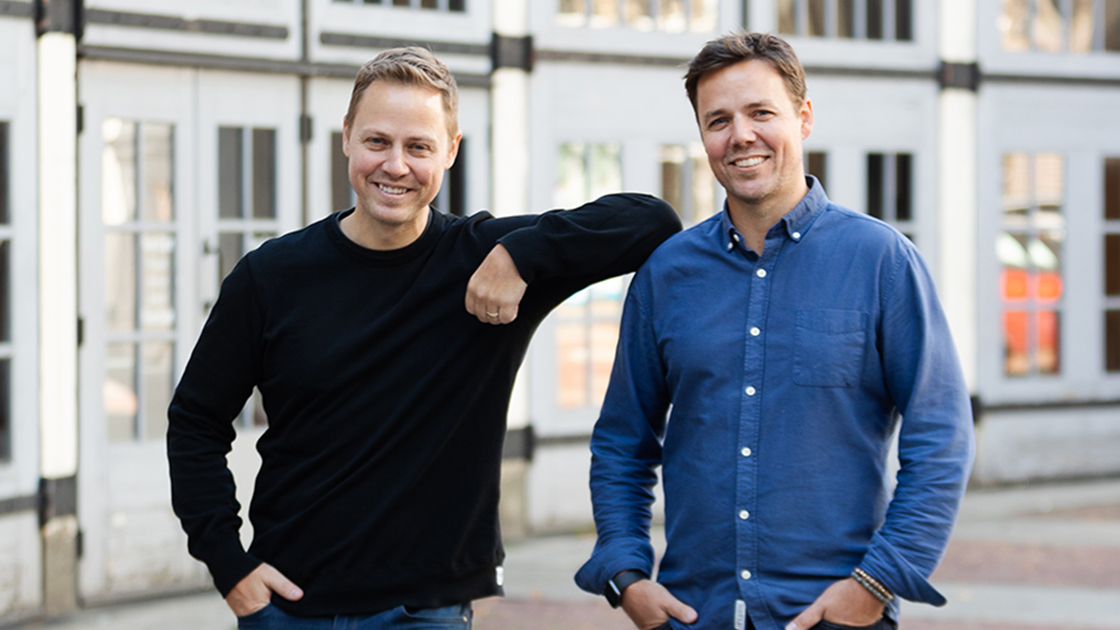
Listen On: Apple Podcasts | Spotify
Was the pandemic suburban boom a permanent shift – or just a blip on the urban timeline? The outgoing President of the Planning Institute of British Columbia Emilie K. Adin sits down with Adam & Matt this week to explore this important question as well as the ways that Metro Vancouver’s unique planning approach positions the region for whatever comes next. From the agricultural land reserve’s formative impact on urban containment to the challenges of making growth pay for growth, this conversation examines Vancouver through both its glory and growing pains.
What are the telltale signs that planners look for to know if a community is thriving? What essential ingredients transform a development into a bona fide neighborhood? And how will the rapid technological disruptions underway reshape the future of the region? A unique perspective on our unique city. Don’t miss this one!
Guest Information

Emilie K. Adin
Emilie K. Adin is a registered professional planner, the President of the Planning Institute of British Columbia, and an Adjunct Professor at the University of British Columbia in the School of Community and Regional Planning. Recently named one of BIV Magazine’s 500 Most Influential Leaders in British Columbia, Emilie is currently completing a Master of Fine Arts in Creative Nonfiction at King’s College.
She is the author of The Urban Curious Guide to Europe and a widely published writer, with work featured in The Globe and Mail, Spacing, Planetizen, Herizons, and Plan Canada Magazine. As a planning professional, Emilie has led a number of innovative and award-winning projects that have inspired communities across British Columbia and Canada.
Episode Summary
The real estate industry spent years adapting to what appeared to be a permanent shift toward suburban living post-COVID. Larger homes, bigger yards, and remote work flexibility drove thousands of Metro Vancouver residents away from dense urban centers.
According to planning expert Emilie K. Adin, however, this suburban migration was nothing more than a temporary blip that is already reversing.
Emilie K. Adin brings considerable expertise to this assessment. As former director of planning for New Westminster and outgoing president of the Planning Institute of British Columbia, her contrarian view challenges the conventional wisdom that COVID fundamentally altered residential preferences.
“I see it more as a blip, for sure, because almost everything that we’ve seen in terms of differences that occurred at the beginning of the pandemic, I think we’ve seen rebound from some of those dynamics in a major way,” she explains.
Her analysis suggests Metro Vancouver’s urban villages are positioned for significant resurgence in 2025.
What You’ll Learn
- Why the pandemic suburban exodus is already reversing across Metro Vancouver
- How the return to office work is reshaping real estate patterns
- What 9,000 years of urban history reveals about human preference for city living
- Why people fundamentally prefer to observe others in urban environments
- How outdoor living trends from COVID actually benefit cities over suburbs
- What Metro Vancouver’s unique urban village structure means for market recovery
- Why technology will enhance rather than replace the human need for physical community
Corporate Demand for In-Person Collaboration Returns
The remote work revolution many predicted has encountered significant resistance from employers across sectors.
Emilie K. Adin observes a clear reversal in corporate policies. “More and more are wanting workers to come back into the office,” she notes.
The rationale stems from operational discoveries during extended remote work periods. Companies found that certain collaborative dynamics proved irreplaceable in digital environments.
“They’ve figured out they’re losing something and they’re figuring out they need to find a way to bring back some of those dynamics that created more collaboration between different work groups and teams,” she explains.
This corporate shift directly undermines the assumption that remote work permanently altered residential location preferences. The spontaneous collaboration and institutional knowledge transfer that occurs through physical proximity has proven difficult to replicate virtually.
Digital Interaction Limitations Emerge
Extended reliance on digital communication revealed fundamental constraints that many organizations are now addressing through return-to-office mandates.
“As we discovered during COVID, there’s only so far you can go with that sense of community in a completely digital world,” Emilie K. Adin observes.
This limitation extends beyond professional environments. As she noted during our interview: “As much as I enjoy talking to you this morning, I would love it even more, I’m sure, if we were with each other in person. It’s just got a different feeling to it than this two dimensional world.”
Archaeological Evidence for Urban Living Preferences
Emilie K. Adin’s argument against permanent suburban migration draws on remarkable archaeological evidence from humanity’s earliest urban settlements.
“I actually visited the site, the ruins of the first city in the world,” she explains. “What’s really fascinating about that city is that the archaeologists couldn’t find any reason, all of the assumptions around why people would come together in a city proved not to pan out.”
This ancient settlement housed 8,000 people approximately 9,000 years ago. Yet it predated agriculture, animal domestication, and other traditional economic drivers of urbanization.
“So it wasn’t for agriculture, it hadn’t been invented yet. It wasn’t for domestic animals herding, that hadn’t been sort of introduced yet… it wasn’t for self-defense, et cetera, et cetera.”
Social Connection as Primary Urban Driver
Archaeological analysis suggests that social connection, rather than economic necessity, drove humanity’s first experiment in urban density.
“As best that they can find for this city… the reason it came about… was just that sense of connection. And people were living in very close proximity and in close density.”
The implications are significant. If humans sought dense urban environments purely for social connection millennia before any economic rationale existed, temporary disruptions like COVID are unlikely to permanently override these fundamental preferences.
The physical design of this ancient city reinforces this interpretation. “There wasn’t even city streets invented yet, and all of the homes were uptight against each other and people were getting from home to home across the rooftops. And that’s how they traveled was across the roof scape,” Emilie K. Adin describes.
These early urbanites prioritized community connection to such an extent that they designed their settlement around maximum social proximity, even developing unconventional transportation methods across rooftops.
Historical Precedent for Urban Resilience
This archaeological evidence suggests that urban living preferences represent deeply embedded human behavior patterns rather than recent cultural developments.
“The very beginning of cities in the world is that people want to feel connected and it just doesn’t do it for us… there’s only so far you can go with that sense of community in a completely digital world.”
The COVID-era embrace of digital alternatives and suburban isolation appears to have been driven by necessity rather than genuine preference shifts.
Metro Vancouver’s Polycentric Urban Structure
Metro Vancouver possesses a distinctive urban form that differentiates it from most North American metropolitan areas struggling with downtown revitalization challenges.
“I think we have urban centers throughout our region that are quite successful,” Emilie K. Adin explains. “The dispersed density in urban centers across the region, I think is a great quality of a great city.”
She draws comparisons to Copenhagen, noting that the Danish capital “is very well known for good planning also has the disparate density at a distance from the core business district.”
Multiple Urban Nodes Provide Market Resilience
This polycentric structure means Metro Vancouver does not depend on a single downtown core for urban living options. Instead, multiple thriving urban villages throughout the region offer diverse community experiences.
Emilie K. Adin highlights Lower Lonsdale as an example of successful urban village development that remains underappreciated by many regional residents.
“I think there are still people in the region that aren’t visiting and don’t realize what a great walkable place that it is and how successful it’s become.”
Outdoor Living Trends Favor Urban Environments
COVID did produce one enduring behavioral change: increased preference for outdoor activities and spaces.
“One of the ways in which I think we won’t go back is that I think we’re still spending more time outdoors,” Emilie K. Adin observes.
Contrary to assumptions that this trend favors suburban living, well-designed urban environments are better positioned to capitalize on this shift.
“I think a lot of people discovered the outdoors and by which I don’t just mean access to nature, although that’s part of it, but even access to out walking around a neighborhood, exploring patio life in a new way.”
Urban Design Advantages for Social Observation
Urban environments excel at providing the type of outdoor experiences that residents actually seek.
“People want to watch other people. Sometimes park benches were turned away from the path and people thought, everyone’s gonna wanna look at the trees. No, everyone wants to sit and look at people of all ages enjoying the park.”
This preference for social observation requires pedestrian activity and mixed-use density that suburban environments struggle to provide.
Emilie K. Adin references European precedents where outdoor café culture thrives regardless of weather conditions. “It’s been decades that people, even in Scandinavia in cold climates, were enjoying patio living even on cold days of the year.”
Successful outdoor living depends on urban design quality rather than suburban space allocation.
Suburban Community Limitations Become Apparent
Residents who relocated to suburban areas during COVID are discovering that physical space alone does not provide the community experience they sought.
“I think people were thinking that they could get the same sort of living experience by moving to ex-Szerbia. I think people are finding that’s just not the case,” Emilie K. Adin observes.
This pattern extends beyond Metro Vancouver. “I think downtowns and urban villages are becoming popular again the world over.”
Urban Village Community Benefits
The limitations of suburban community building become clear when contrasted with urban village experiences. Emilie K. Adin’s residential choice in Vancouver’s Commercial Drive area illustrates these differences.
She describes “this liveliness and vibrancy that I’m just so thrilled that my kids get to experience as they grow up.”
Her children “get to know local shopkeepers by their first names and bring them holiday cards and get to roam the neighborhoods and pick up groceries for us even at relatively young ages when we run out of something while we’re cooking dinner.”
This type of intergenerational community interaction requires walkable density and mixed-use development patterns that suburban environments rarely achieve.
Technology Enhancement Rather Than Replacement
Rather than viewing technological advancement as threatening urban living, Emilie K. Adin sees potential for technology to enhance community connection when properly implemented.
She references Barcelona’s approach of “technological sovereignty, where the smart city technology has been co-created with community” as preferable to top-down technological implementations that feel “more uncomfortable.”
The critical factor is ensuring technology serves to enhance rather than replace human connection.
“We need to fundamentally ask ourselves what’s changing, what will the results be, and how can we shape this change to best work for the people who live in this region.”
Market Recovery Already Underway
According to Emilie K. Adin, urban market recovery is not a future possibility but a current reality.
“Almost everything that we’ve seen in terms of differences that occurred at the beginning of the pandemic, I think we’ve seen rebound from some of those dynamics in a major way.”
The fundamental human drive for community and connection that created cities 9,000 years ago has not disappeared. It was temporarily suppressed by public health necessity but is reasserting itself as conditions normalize.
FAQ: Metro Vancouver’s Urban Future
Will Vancouver’s downtown really recover from COVID impacts in 2025?
According to Emilie K. Adin, the recovery is already underway because “almost everything that we’ve seen in terms of differences that occurred at the beginning of the pandemic, I think we’ve seen rebound from some of those dynamics in a major way.”
Are people really moving back from suburban areas they bought during COVID?
Emilie K. Adin believes people who moved to suburbs are “finding that’s just not the case” in terms of getting the same community experience, and that “downtowns and urban villages are becoming popular again the world over.”
How will remote work trends affect Vancouver’s urban neighborhoods long-term?
The trend is already reversing as “more and more are wanting workers to come back into the office” because companies have discovered they’re “losing something” important in fully remote environments.
Which Metro Vancouver neighborhoods are best positioned for urban revival?
Emilie K. Adin highlights the region’s “dispersed density in urban centers” and specifically mentions Lower Lonsdale as a successful example that many people haven’t yet discovered.
Will technology trends reduce demand for urban living?
Emilie K. Adin argues that technology should be “co-created with community” rather than imposed top-down, and that the fundamental human need for connection means “there’s only so far you can go with that sense of community in a completely digital world.”
What does 9,000 years of urban history tell us about current trends?
The world’s first city formed purely because “people want to feel connected” before any economic reasons for cities existed, suggesting that temporary disruptions like COVID won’t permanently change fundamental human preferences for urban density and community.
This article features expert insights from Emilie K. Adin, former Director of Planning for the City of New Westminster and outgoing President of the Planning Institute of British Columbia, shared during her interview on the Vancouver Real Estate Podcast with hosts Matt and Adam Scalena. Listen to the full episode above or explore more Metro Vancouver real estate insights at vancouverrealestatepodcast.com
Episode Host
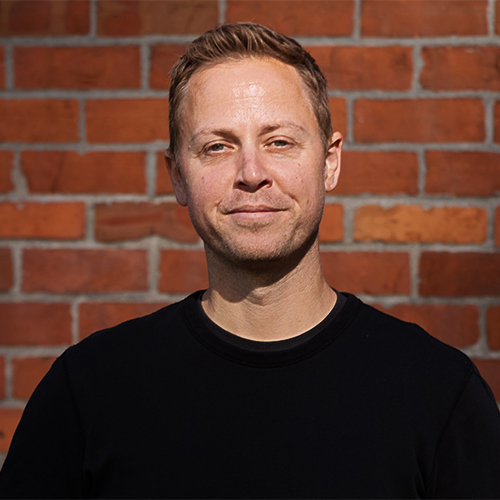
Adam Scalena
Adam is a full-service realtor, specializing in Vancouver’s best areas. His systematic approach to real estate and dedication to his clients has consistently placed him within the top 10% of realtors operating within Greater Vancouver.
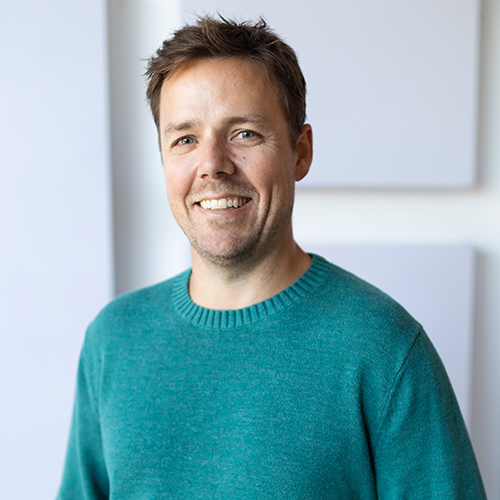
Matt Scalena
Matt is real estate obsessed and considers himself a lifelong student of the Vancouver real estate market. As a co-manager of the Scalena Real Estate team, Matt prides himself on expertly advising buyers and sellers on all aspects of the fast-paced, dynamic Vancouver real estate market. He is present at every stage of the process, from that first phone call or email right through to when keys are exchanged between sellers and buyers.
Sponsors