
Table of Contents
Listen On: Apple Podcasts | Spotify
Think your RRSP is just for stocks and bonds? Think again. Montreal-based investor Rodrigo Parada used his registered retirement savings to unlock real estate investing — and scaled into a multimillion-dollar multifamily portfolio.
Rodrigo, founder of Triple Harbor Capital, joins Adam & Matt to share his journey from house hacking with family during COVID to building a mutual fund trust that now attracts passive investors across Canada.
He breaks down how he overcame residential lending limits, built teams in unfamiliar markets, and made the leap from DIY renovations to commercial apartment acquisitions. From tax pitfalls in traditional RRSP strategies to the key differences between residential and commercial financing, this conversation is packed with actionable insights for Canadians looking to invest smarter.
What’s the real difference between residential and commercial lending? Can average investors really use their RRSPs to buy real estate? And how did a family-first mindset give Rodrigo an edge in scaling up? Listen up!
Guest Information

Rodrigo Parada
Rodrigo Parada founder of Triple Harbor Capital, a real estate investment firm managing an eight-figure portfolio for high-net-worth clients. With a background in coaching and personal development, he helps professionals build passive income through multifamily investments, earning a reputation for integrity, resilience, and investor-first leadership.
Episode Summary
Traditional RRSP strategies focus on mutual funds and ETFs delivering 8-10% annual returns. However, registered funds can legally invest in commercial real estate through mutual fund trust structures, accessing multifamily properties with 15-18% return potential. This investment approach uses the same tax-deferred benefits while targeting higher yields through value-add real estate projects.
What You’ll Learn
• How mutual fund trusts enable RRSP investing in commercial real estate projects
• Why real estate returns of 15-18% exceed traditional mutual fund performance
• The role exempt market dealers play in registered fund real estate investing
• How three-year investment cycles optimize tax-deferred growth in RRSPs
• Why Alberta multifamily properties offer attractive risk-adjusted returns
• The minimum investment requirements for accessing real estate through registered funds
• How equity participation creates wealth beyond stated investment returns
Understanding RRSP Real Estate Investment Options
RRSP real estate investing allows Canadians to use registered retirement savings to purchase commercial property through specialized fund structures. Unlike direct property ownership, this approach maintains full RRSP tax benefits while accessing institutional-quality real estate investments.
The strategy works through mutual fund trusts that pool investor capital to acquire multifamily properties. These trusts operate under securities regulations, ensuring compliance while providing retail investors access to commercial real estate previously available only to institutions.
How Registered Fund Real Estate Works
Mutual fund trusts serve as the investment vehicle connecting individual RRSPs to commercial real estate. The process involves:
- Investor Qualification: Exempt market dealers verify eligibility for alternative investments
- Capital Deployment: RRSP funds purchase units in limited partnerships holding properties
- Value Creation: Professional teams acquire, renovate, and optimize multifamily assets
- Distribution: Returns flow back to registered accounts after investment periods
This structure preserves all RRSP tax advantages while accessing higher-yield real estate investments.
“We have these amazing vehicles, financial vehicles in our country, and they’re supposed to help us deal with retirement. The moment that you start doing a bit due diligence and understanding how these programs work, not everything is always as pretty as it seems.” – Rodrigo Parada, Co-Founder and CEO, Triple Harbor Capital
Comparing Investment Performance
Traditional RRSP investing through mutual funds typically targets 8-10% annual returns following market indices. Real estate fund investing through registered accounts targets 15-18% returns through value-add multifamily projects.
Performance Comparison Analysis
Traditional Mutual Fund Approach:
- Expected returns: 8-10% annually
- Tax treatment: Deferred taxation on all withdrawals
- Asset ownership: No direct ownership rights
- Investment minimums: Usually none required
Real Estate Fund Approach:
- Expected returns: 15-18% annually
- Tax treatment: Same deferred taxation benefits
- Asset ownership: Equity participation (typically 25% of properties)
- Investment minimums: $50,000 typical requirement
Real-World Example: $100,000 RRSP Investment
Consider a $100,000 RRSP investment over three years:
Traditional Mutual Fund Result:
- Year 1: $109,000 (9% return)
- Year 2: $118,810 (9% return)
- Year 3: $129,503 (9% return)
- Total Value: $129,503
Real Estate Fund Result:
- Years 1-3: 16% average annual return
- Investment Returns: $156,090
- Plus 25% Equity Stake: Additional $25,000-$50,000 potential value
- Total Potential Value: $181,090-$206,090
This example shows how equity participation creates additional wealth building beyond stated returns, as investors maintain ownership stakes in appreciating real estate assets.
“Instead of leaving it in a mutual fund within your financial institution that gives you 8 to 10% that’s following the S&P 500, we have something alternative within our fund which enables you to participate in these real estate acquisitions and use those RRSPs to buy equity or units in the limited partnerships.” – Rodrigo Parada, Co-Founder and CEO, Triple Harbor Capital
The Role of Exempt Market Dealers
Exempt market dealers (EMDs) facilitate registered fund real estate investing by ensuring regulatory compliance and investor qualification. These licensed professionals bridge retail investors and alternative investment funds.
EMD responsibilities include:
- Verifying investor accreditation status
- Ensuring regulatory compliance for registered fund participation
- Providing investment documentation and ongoing reporting
- Managing distribution processes back to registered accounts
This regulatory framework enables retail RRSP access to commercial real estate while maintaining investor protections.
Investment Process and Timeline
Phase 1: Qualification (30-60 days) EMDs verify investor eligibility and complete regulatory documentation for registered fund participation.
Phase 2: Capital Deployment (90-120 days)
RRSP funds transfer to purchase limited partnership units holding multifamily properties.
Phase 3: Value Creation (12-36 months) Professional management implements renovation programs and optimization strategies to increase property values.
Phase 4: Distribution (36+ months) Returns and equity proceeds flow back to registered accounts, maintaining tax-deferred status.
Alberta Multifamily Investment Fundamentals
Alberta real estate markets offer specific advantages for registered fund investing, including favorable regulations and affordable asset pricing.
Market Advantages
Regulatory Environment:
- 90-day rent increase notice periods enable faster value creation
- Commercial financing based on net operating income metrics
- Streamlined property improvement processes
Market Fundamentals:
- Secondary market pricing: $50,000-$75,000 per door
- Stable employment in energy and agriculture sectors
- Interprovincial migration from expensive housing markets
Case Study: Value Creation Example
A 38-unit multifamily property in Rocky Mountain House demonstrates typical value creation potential:
- Purchase price: $1.9 million ($50,000 per unit)
- Renovation investment: $1.0 million
- Timeline: 12 months completion
- Appraised value: $5.6 million
- Value increase: 194% total return
“We bought it at $1.9 million for a 38 unit asset in Rocky Mountain House. We had a $1 million renovation budget and we got it completed in 12 months. In September 2024, it was appraised at $5.6 million.” – Rodrigo Parada, Co-Founder and CEO, Triple Harbor Capital
How the Investment Actually Works
Here’s what this means for RRSP investors in practical terms:
The Property: A 38-unit apartment building in Rocky Mountain House, Alberta requiring significant renovations to bring rents to market rates.
The Strategy: Purchase the undervalued property, renovate all units with new kitchens, bathrooms, and flooring, then increase rents from below-market rates to current market levels.
Investor Participation: Multiple RRSP investors pool $2.9 million total ($1.9M purchase + $1M renovations) through a mutual fund trust. Each investor owns a proportional share based on their contribution.
The Process: Professional management handles acquisition, contractor coordination, tenant relations, and rent increases over 12 months.
The Outcome: Property value increases to $5.6 million. Investors receive their original capital back plus returns, while maintaining 25% ongoing equity ownership in the now-improved property.
For Individual Investors: Someone contributing $100,000 RRSP funds to this project would receive approximately $193,000 back to their registered account, plus ongoing ownership in a cash-flowing rental property.
Important Note: This example represents one specific completed project and past performance does not guarantee future results. All real estate investments carry risks including potential loss of capital.
This performance demonstrates the potential for value-add real estate strategies within registered fund structures.
Investment Risks and Considerations
RRSP real estate investing involves specific risks that investors must understand before deploying registered fund capital.
Primary Risk Factors
Liquidity Limitations: Investment periods typically span 3+ years with limited early withdrawal options.
Concentration Risk: Real estate focus reduces portfolio diversification compared to traditional mutual funds.
Management Dependency: Returns depend on professional management team performance and market conditions.
Market Risk: Real estate values can decline, affecting both returns and equity positions.
Risk Mitigation Strategies
Due Diligence: Evaluate management team track records and investment strategies thoroughly.
Portfolio Balance: Maintain diversification across asset classes and investment types.
Timeline Planning: Align investment periods with retirement planning goals and liquidity needs.
Professional Guidance: Work with qualified advisors experienced in alternative investments.
Industry Trends and Market Outlook
Canadian real estate investing through registered funds reflects broader trends in wealth management and investor sophistication.
Market Development Drivers
Institutional Validation: Major REITs increasingly focus on existing asset acquisition over new development, validating value-add strategies.
Capital Availability: Growing investor awareness increases capital flows to alternative investment funds.
Regulatory Stability: Established mutual fund trust framework supports continued market development.
Demographic Trends: Baby boomer retirement planning creates demand for higher-yielding registered investments.
Implications for Investors
Access Expansion: More investment options becoming available through registered fund structures.
Professional Management: Institutional-quality management accessible to retail investors.
Geographic Diversification: Opportunities beyond local real estate markets through fund structures.
Yield Enhancement: Potential for higher returns while maintaining RRSP tax benefits.
FAQ
Can RRSPs legally invest in real estate through mutual fund trusts?
Yes, mutual fund trusts operating under securities regulations can accept RRSP capital for commercial real estate investments while maintaining all registered fund tax benefits.
What are typical minimum investment amounts for RRSP real estate funds?
Most funds require $50,000 minimum investments, making them suitable for investors with substantial registered fund balances seeking alternative investments.
How do investment returns get paid back into registered accounts?
All distributions flow directly back into RRSP or other registered accounts, maintaining tax-deferred status until normal withdrawal according to registered fund rules.
What happens to equity ownership after the initial investment period?
Investors can choose to sell equity stakes back to the fund at fair market value or maintain ongoing ownership as passive real estate investors.
How do exempt market dealers ensure regulatory compliance?
EMDs are licensed professionals who verify investor qualifications, manage documentation, and ensure all transactions comply with securities regulations for registered fund participation.
What are the main differences from traditional real estate investment trusts (REITs)?
Private real estate funds typically offer higher return potential, direct equity participation, and professional management, while REITs provide greater liquidity and lower minimum investments.
Disclaimer: This article is for educational purposes only and does not constitute investment advice. Past performance does not guarantee future results. All investments carry risk including potential loss of principal. Readers should conduct their own due diligence and consult with qualified financial advisors before making investment decisions. Real estate investments may involve illiquidity, concentration risk, and dependence on management performance. Rodrigo Parada and Triple Harbor Capital have no business relationship with the Vancouver Real Estate Podcast beyond appearing as a guest. The podcast hosts do not endorse any specific investment strategies or funds mentioned.
This article features expert insights from Rodrigo Parada, Co-Founder and CEO of Triple Harbor Capital, shared during his interview on the Vancouver Real Estate Podcast with hosts Matt and Adam Scalena. Listen to the full episode above or explore more Metro Vancouver real estate insights at vancouverrealestatepodcast.com
Last updated July 3 2025 by Matt Scalena PREC
Episode Host
Adam Scalena
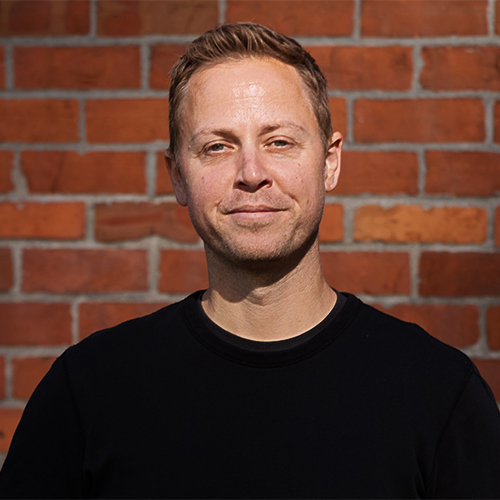
Adam is a full-service realtor, specializing in Vancouver’s best areas. His systematic approach to real estate and dedication to his clients has consistently placed him within the top 10% of realtors operating within Greater Vancouver.
Matt Scalena
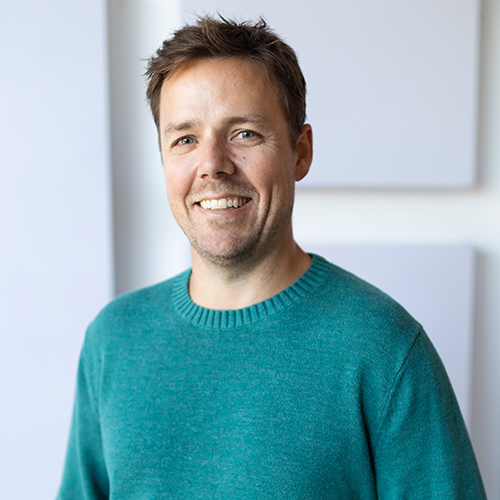
Matt is real estate obsessed and considers himself a lifelong student of the Vancouver real estate market. As a co-manager of the Scalena Real Estate team, Matt prides himself on expertly advising buyers and sellers on all aspects of the fast-paced, dynamic Vancouver real estate market. He is present at every stage of the process, from that first phone call or email right through to when keys are exchanged between sellers and buyers.
Sponsors




This transcript has been lightly edited for clarity and readability.
📄 Full Podcast Transcript – Interview with Rodrigo Parada
Matt Scalena: I’m here with co-founder and CEO of Triple Harbor Capital, Rodrigo Parada. How you doing, Rodrigo?
Rodrigo Parada: I’m doing very well, Matt, thank you. How about yourself?
Matt Scalena: Very good. Thanks. I appreciate you taking the time to speak to us today.
Rodrigo Parada: Well, it’s my pleasure to be here. Thanks for the invitation.
Matt Scalena: Maybe for our listeners, Rodrigo, can you start by telling us a little bit about yourself?
Rodrigo Parada: Absolutely. So as you pointed out, my name is Rodrigo Parada. I’m the co-founder and CEO of Triple Harbor Capital, a mutual fund trust that started acquiring real estate roughly two years ago. A bit about myself personally, I currently live in Montreal, born and raised in Montreal. I started investing in real estate in 2018, buying multifamily assets in my home province.
Then roughly three and a half years ago, I started looking at different markets outside of Quebec, did some passive investment in Ontario and gradually got into the Albertan market with our first acquisition that was done in October 2023. That was the one that helped us cement this mutual fund trust that we now operate. We’re launching our third fund on July 1st, 2025, so in a couple of weeks. That’s what I’ve been doing for the most part.
Matt Scalena: Well, we’ll get into it. But just a couple of questions, Rodrigo. It strikes me that you started Triple Harbor Capital two years ago. That was a time when the market felt pretty rocky. I feel like we were sliding into the place we still are currently. So you start investing in real estate in 2018. What made you want to go out and start Triple Harbor Capital in that environment in early 2023? What was the impetus there?
Rodrigo Parada: That’s a great question because the truth is Triple Harbor was born out of necessity. There’s nothing else behind it. I wish I had a better answer that I read it somewhere or went to this seminar and my mentor taught me this. No. What ended up happening is that first acquisition that I did with my partners in Alberta. It was a 38-unit in Rocky Mountain House. It’s a secondary slash tertiary market out there.
We had raised a lot of our capital in registered funds. Initially I was going to secure a loan against my own personal portfolio here in Quebec while we were doing the optimization and repaying our investors roughly 12 months after that. But my legal counsel at the time said that although that was very nice of me, it might not be the best scenario considering the legal risk behind it. That’s when we did some due diligence, we met some advisors and we learned about this mutual fund trust structure that existed and that’s why we went ahead with it.
So to your point, yes, it was a very tumultuous period in the market, but we had an amazing opportunity on our hands. We had our partners and investors that wanted to go through with the project. So my partners and I just needed to find a solution to get it done. That’s how this whole thing started.
Matt Scalena: For the uninitiated, and we don’t need a 20-minute course on mutual fund trust, for people that are out there thinking, okay, this sounds interesting, but what the hell is a mutual fund trust? Can you explain it quickly?
Rodrigo Parada: Absolutely. So a high-level explanation of what a mutual fund trust is – we’re basically an investment vehicle for Canadians to invest in currently real estate projects. All of our projects are held either at a corporation level or a general partnership, limited partnership, a GPLP structure. But because we have the mutual fund structure and we have been working with EMDs and the Securities Commission, we can accept participation from our investors through registered funds and not just cash contributions or cash investments. So at a high level that’s basically what a mutual fund trust is.
Matt Scalena: Awesome. We’re going to get into the registered funds aspect of it. But maybe just stepping back, Rodrigo. Why real estate? What got you into real estate in 2018?
Rodrigo Parada: That’s a great question. I have a lot of similar answers to a lot of the fellow investors in our circle. I read all the books, Rich Dad, Poor Dad when I was younger. I was listening to Bigger Pockets from 2016 to 2018 and I knew that I wanted to do real estate and I had bought a single-family home at the time but I also understood that the power was to get into multifamily and I was basically…
True story, we were at a table with my family. So I have two brothers and my parents and we’re having dinner and I realized that if I’m going to be doing this and I want to pursue this, I would rather want do it with my family, not just to limit the risk, but that we could all benefit from the rewards. That’s how this thing started. We bought a fourplex in 2018. My brother and myself and my wife and we haven’t stopped since. That’s how this whole thing started.
Matt Scalena: What in your mind makes a good real estate investment? Just to put this in context for the listeners of this show, Vancouver’s a very different market than Quebec market. I’m not sure where that first fourplex was. We’ve had people on the show talking about Alberta in the past as well. Very different market than what most of our listeners are used to. When you’re looking even back in 2018 and all the acquisitions since, what makes a good real estate investment in your mind?
Rodrigo Parada: That’s a great question, Matt, because it has everything to do with your own personal situation rather than the market. What I mean by that is in your current market, because the acquisitions are more difficult, I think from an investor standpoint, you can’t have the same requirements as a market in Alberta or in Saskatchewan or even Ontario, right? And it’s roughly the same thing that we’re seeing right now on the Quebec side on the residential side.
What I mean by that is right now, as opposed to what it was way back when I was starting, if you’re going to be pursuing real estate investing on the residential side, you need to start with house hacking because at the end of the day, we’re not in the same game or the same market that we were before where you could get cash flowing assets from day one. Now it’s more of a matter of reducing expenses. So you have an opportunity to own real estate and benefit from it, but also you can get into the cycles of refinances the moment that you step into that first property.
I think that’s the key to the success is understanding and being completely honest with where we are as an investor on our journey and understanding that there are certain investments that will match that position versus trying to do what everybody else is doing and not really understanding what we’re hoping to achieve.
Matt Scalena: Can you unpack that a little bit further? In terms of somebody out there owns a condo, owns a single family home, whatever it is, and they’re thinking about getting into real estate investment. Can you take what you just said and what’s a strategic approach to achieving that success that you found?
Rodrigo Parada: Yes, so what I would start off with is having an objective look at your personal financial situation. Where are you in your career? Do you love your job? Do you want to step away from it and do work on your business? You need to look at where you are currently in your life and what you’re hoping to achieve. Then from that point on, it’s understanding the different financing vehicles, whether on the residential or on the commercial side, but let’s stick to residential for now. And then what you’re hoping to achieve.
Are you looking for cash flow? Are you looking for equity? Are you okay with staying in your current job, getting your T4, and eventually getting to a point where you have more and more assets? Or do you want to go faster and start scaling up quicker, right?
I think that the majority of the time what we’re going to be looking in our first acquisitions where you’re trying to get outside of the single family home space is can I buy this property and do I have a value add component that I can incorporate in there so that I increase the value in a shorter amount of time and then I can go to my financial institution and get a refinance. By doing so, the added debt that you get that you’re going to be able to take out as equity, compared to the original mortgage, well, you can distribute it or reinvest it in another project, another opportunity that will help you further increase your net worth while having the asset have either tenants manage the added monthly expenses, right?
So that’s how you would gradually scale up. I think it’s in today’s market in our country, all across the country, it’s the safest approach to becoming a real estate investor because it’s manageable. You’re not going into bigger and more complex projects, but it’s actually achievable with the majority of our jobs out there in the financing vehicles.
Matt Scalena: When you’re talking value add, are you a handy guy, Rodrigo? Is this you adding the value yourself or are you building out teams? What’s the strategy?
Rodrigo Parada: I think there needs to be the two components, right? I’m not a handy guy by any means. When I first did my first triplex renovation that I did in 2020 that I moved in, there was a house hack actually, exactly what we’re talking about. That was during COVID and I had a bit of downtime. So I went to YouTube university and I tried to learn as much as I could about what I could do myself. So I did that, but I did it enough to get to a point where I understood that my value into what I do is not necessarily doing the work today.
But way back then I had to start there to learn to understand the process. But also realistically Matt, when you’re going to get out there and start talking to other tradesmen or people that are going to help you and you’re building your team, it actually helps to know what you’re talking about. So understanding a bit about the work is necessary if you want to do it the right way.
Matt Scalena: You want to know what you’re talking about. In terms of your own personal journey, can you break down your steps from 2018 through the house hack to where you are today? What I’m looking for is the nuts and bolts building baby steps upon baby steps to build out that portfolio.
Rodrigo Parada: Yeah, it’s my pleasure, Matt. So in 2018, at the time that we did the first acquisition of the fourplex with my family, I was living in a single family home. What we did at that time is we decided to sell the family home and move into a triplex that we were going to renovate ourselves. So basically that was the first house hack that I did with my two girls and my wife. That’s how it all started. So we move into this triplex.
We take one of the units, we renovate the whole thing, and we had tenants.
Matt Scalena: This is with your two kids and your wife? Okay I was gonna say man this is an easier process as a single guy but wow okay so that’s a big move.
Rodrigo Parada: Yeah, well, thank you. One of my favorite quotes is, “Ad Astra per aspera,” right? Like to the stars through hardships. So I guess I’m living proof of that or a living embodiment of it. But Matt, just going back to the story, we move in, we renovated it through 2020. So valuations are going up like crazy. So it worked out in our favor in the long run. So we move into that triplex, we renovate.
We’re able to increase our rent, refinance, and then we had a bit of capital that we were able to deploy in another acquisition, which is the one that I still live in today. It’s a duplex that my brother actually lives upstairs, my business partner. So I’m still house hacking to this day. Because for me, it’s a way to be able to do what I do without having to worry so much about my expenses. So if I have all of my recurring expenses covered through my passive income, then I know that I can go out there and make moves and keep on growing my business without having to worry so much about making ends meet. In a nutshell, that’s basically what happened here in Quebec in my personal path. That’s what I did in the house hacking world.
Matt Scalena: So you buy the triplex, you live in it with your family, you have the two other units. It sounds like you did some renovation work there. Then you refi, you move into a duplex, you’re living in one side of the duplex yourself. You have a family member, but in this case, still a tenant paying rent. Did you do the same kind of value add in the duplex or what was the next move? How did you get there?
Rodrigo Parada: Yeah, so we did the exact same thing. We found this great opportunity in a good neighborhood that needed a lot of love, a lot of work, and we got to work. So everything from the foundation to the roof, which we were going to be doing in a couple of years, was changed. Actually, to be quite honest with you, that was the project that confirmed to me that I will look into doing something different than doing these massive scale of renovations, right? Because markets shifted, costs went up, and I think that we’re doing ourselves a disservice if we don’t re-examine our thesis and our approach to projects. I think that’s where we are right now as a group.
Matt Scalena: Right. And the thesis change over time, right? They have to. Different conditions create different investment theses, for sure. Okay. So you change course, and this is presumably when, what, 2022 interest rates starting to creep up, inflation running out of control. You can’t find any trades, no matter how hard you look or how much you’re willing to pay.
Rodrigo Parada: Yeah, that was basically it. And combined with the fact that when you’re investing in real estate and you’re going for these residential mortgages, you’re going to get to a point that a lot of us retail investors get to is your debt to income ratio is going to get capped out. So from a financial institution perspective, even though you’re worth more, you can’t borrow more to start acquiring more assets.
Understanding that around the 2021 year mark, that’s when I started getting interested in commercial mortgages and commercial multifamily assets. So the bigger buildings, right? Because it’s a different financing requirement that’s in there. I knew that that’s where we wanted to go based on the networking that I was doing and the mentor that I had at the time. So I knew that was the path that I wanted to take. So that’s where we transitioned from these smaller buildings to looking at larger multifamily acquisitions, but also outside of Quebec because it was getting very difficult to find good deals here.
Matt Scalena: So you decide to leave Quebec to look for better deals and you’re looking at multifamily. Two questions. One is, what did you like about multifamily? Can you talk a little bit about what else was it about multifamily that was exciting?
Rodrigo Parada: My best answer to that Matt is just the way that it’s valuated. So on the residential side, the valuation that you’re gonna get from a financing perspective is based on comps, right? Your sales in a specific area that were achieved within the last three to six months. Then your appraiser does an average of that and that’s your value. When you’re doing commercial financing, you have a component that has to do with comps, but it’s also based on the net operating income of the asset and the market that it’s located in and its associated cap rate.
So the reason why, when I understood that, understood the relationship and how it worked, that really appealed to me because coming from the residential side, I knew that I had to depend on sales around my area. That fluctuates with the different market cycles, right? So you’re never really sure of the valuation that you’re going to get when you start a project of renovation and you’re hoping to refinance versus the commercial side. There’s a bit more certainty when you know what you’re doing in terms of your point of entry and also your exit with your refinance based on the metrics that you’re getting from all the organizations out there. So CMHC, appraisal firms.
For me, as someone who was in the business of syndicating deals and making deals happen, I had more certainty and that was what confirmed with me that that was the right path for me at that point.
Matt Scalena: And so is this when you go to Alberta? This is still, I feel like Edmonton and Calgary, especially they’ve been, they’re very different markets than they were a couple of years ago now. But this is a couple of years back. First off, just in terms of all real estate’s local, this kind of idea. Can you talk a little bit about how you came across that market, are you interested in markets and finding deals? How do you go about it? How do you learn the market? And what ultimately did you like about Alberta?
This is all in relation to, we’ve talked to people from Montreal on the show years ago. But you guys even take your dishwashers when you leave, right? Or everybody leaves on the same month, day of the year. There’s it’s a totally different world when it comes to real estate. So I don’t know, do you actually take your dishwashers? That might be I might be imagining that but you everyone leaves once a year?
Rodrigo Parada: No, I think that the dishwasher is the one that stays most of the time, Matt. But the other appliances leave. Yeah.
Matt Scalena: Very different, very different market. Okay, so how’d you learn that market? Why Alberta?
Rodrigo Parada: So the reason why I was able to progress in that market and go with a certain level of confidence is because I had boots on the ground, right? That’s something that I learned throughout my years of being a real estate investor is my ability to underwrite deals and understand the mechanics of putting a deal together are secondary to local experts that I can validate what I’m seeing based on their expertise. So I ended up partnering up with two partners that live in Alberta. That’s how I was able to achieve what we were able to achieve in a short amount of time because I had local experts and I had local boots on the ground.
But also in reality is I think the moment that as Canadians we start understanding the different provinces and markets and sub markets within those provinces, we end up seeing the challenges that we had in our local markets and how it could somewhat be easier in different places.
The reason why I was comfortable with Alberta, especially with the first project that we were doing is we were going for a value-add project. So the same model that I’ve been doing up to that point. But then I look at the numbers, I understand where I can go in terms of rent and it being absorbed. Also in Alberta, you can increase your rents with 90-day notices. So basically you take ownership and then 90 days later, after having sent that letter that advice to your tenant, you can increase their rent to amount X. I understood that we could do these value add projects in a shorter amount of time than what I was used to doing in Quebec.
Also that 90 day notice component in Alberta, it removes the cash for keys that I was trained to incorporate in my projects when I was looking to optimize assets, right? Long story short, that’s the reason why I went with Alberta. I understood that there was a bit more ease to complete and achieve the projects that I was aiming to do. I had local support to be able to go ahead with these crazy projects that I had at the time.
Matt Scalena: And how many units was that first project, 38 unit? And since then, have you moved on to other projects? Are they all in Alberta? Can you talk a little bit about what else you’re up to?
Rodrigo Parada: It was a 38 unit. Well, I’ll just finish with that first one. That deal, we bought it at $1.9 million for a 38 unit asset in Rocky Mountain House. So that was $50,000 per door. We had a $1 million renovation budget and we got it completed in 12 months. So we got that in October 2023 and in September 2024, it was appraised at $5.6 million.
So we had quite the substantial lift that we were able to get out of that project and return and distribute to our investors and partners. So that was a home run. After that, what we did is we did another acquisition of an 18 unit in St. Paul that was an existing 20 year building, super easy acquisition, nothing to say there, no value add component. It was just easy to purchase.
We also just completed a new build acquisition, a 24 unit in Camrose, Alberta, which is a secondary market of Edmonton. So those three projects gave me an overview of the three types of ways that I’d be dealing with real estate in Alberta because I did a value add, I did an existing asset that wasn’t too old, but I also did a new build. So that gave us confirmation at Triple Harbor Capital that the next fund that we’re launching that is closing on July 1st, we’re going to be focusing on value add multifamily acquisitions and we will be stepping away from the new builds that we had done because there’s more yield that we’re seeing in a shorter amount of time and also better returns for our investors because that’s what it’s all about.
Matt Scalena: Just to go back to that value add, that was purchased in, sorry, can you just give us the timelines again? Because that was a home run. Can you just give us the timelines again?
Rodrigo Parada: Yeah, it was. So purchased in October 2023 at $1.9 million. We put in $1 million worth of renovations and then we refinanced in September 2024 at $5.6 million. So ballpark 12 months.
Matt Scalena: Yeah. Wow. Congratulations to you and your investors. That’s nice work.
Rodrigo Parada: Thank you. Thank you. It was a great opportunity and we just knew that we had a good one. That’s why we, as I was saying in your first question, right? That’s the reason why we went ahead with the creation of the mutual fund trust and it was born out of necessity because I didn’t have a guarantee because there’s never anything guaranteed in real estate, right? But the moment that I had the property under contract and I was doing my underwriting and I understood what we were dealing with and the potential outcome. I knew I had a good one on my hands and I needed to see this through.
Matt Scalena: Can you talk about what, are you seeing more opportunities today or fewer opportunities? When you’re looking for these value-add properties, so I guess the assumption is you’re in Alberta exclusively at this point and you’re looking for value-add properties. Is it more attractive market right now for acquisitions in your mind in those spaces?
Rodrigo Parada: I think it depends on where you’re from. What I mean by that is people like you in BC, me in Quebec, Ontario people, we look at Alberta and yeah, we find opportunities because it is completely different than what we’re seeing in our local markets. What I am seeing though in Alberta is that there’s a lot of focus on development and new builds, especially Edmonton right now is probably the hottest market in the country for that type of asset class.
Going back to our business and what we believe in, I don’t necessarily believe in doing what everybody else is doing at the time. So we’re purposely staying away from new builds and focusing on value adds right now because although that there’s a lot of people in that space, we feel that we have a bit more advantage in that asset class than if we were doing the same thing as everybody else and going for new development. So yes, there’s still great opportunities. I think there’s going to be more, there’s always opportunities. I think it also is a reflection of our experience as deal makers and how many tools do we have in our toolkit to close the deal, right? Because that’s what it is at the end of the day.
Matt Scalena: Can we talk a little bit about RRSPs? Because I read a post of yours about RRSPs and I guess I’d like if you could explain, not read the post, but talk our way through this post about expectations, if you have a million dollars in your RRSP and what it actually amounts to and how you can mitigate against seeing a lot of that money disappear in the traditional ways people think about RRSPs. And then also about the mutual fund trust and how that plays in.
But first off, so you had this post, it was very clever. You have a million dollars in an RRSP, I think everybody, a lot of people, that’s a hefty goal, but it’s a goal of a lot of people for retirement. It’s not exactly always what people think it is. Can you just break down exactly what you were talking about and the role of real estate in how it can mitigate against the risk of tax.
Rodrigo Parada: Well, yes. So basically the post at a high level was just showcasing that we have these amazing vehicles, financial vehicles in our country, right? And they’re supposed to help us deal with retirement. So the moment that you start doing a bit due diligence and understanding how these programs work, these financial vehicles, like all of the registered funds, RRSPs being one of them, not everything is always as pretty as it seems, right?
For the case of this particular article or the thing that I wrote was just this hypothetical scenario. If you have a million dollars in your RRSPs and you need to cash out before that you get to the threshold that the current government allows you, which is 70 without the taxation, well, you’re gonna get taxed even though you benefited at one point from putting in there, which is a great strategy. If you don’t plan accordingly, it’s not just a win-win. You’re going to have to pay as a Canadian, right?
I think that the purpose behind that post was just highlighting this because I find that in this country, unfortunately, we’re not educated enough on the financial side to really understand what’s happening with our finances and what we’re going to be left with once we stop working. The reason behind that, is currently what we’re doing at Triple Harbor Capital, as I was mentioning earlier, is that we can work with our clients, our investors, RRSPs. So instead of leaving it in a mutual fund within your financial institution that gives you 8 to 10% that’s following the S&P 500, which is great, it’s a good strategy, we have something alternative within our fund which enables you to participate in these real estate acquisitions and use those RRSPs to buy equity or units in the limited partnerships.
So it’s a different way of approaching what you end up doing with those types of products and what it means for your own future, right? Because there’s a difference between just leaving it there for retirement and hoping that you don’t need it before you can take it out, or you can get your money to work for you in a different way, which is what I’m all about.
Matt Scalena: So getting it to work for you in a different way, can you just spell that out for people? I have $400,000 in an RRSP and I’m thinking, Rodrigo seems like a good guy. This sounds pretty interesting. That Rocky Mountain House deal sounded exceptional. What exactly would putting the money to work in real estate through somebody like Triple Harbor Capital, what does it look like?
Rodrigo Parada: Yeah, so how it looks like is that basically my fund works with what’s called an exempt market dealer, an EMD. Their purpose for our organization is to make sure that whoever we end up working with, we can actually work with them. Because you can’t just accept funds here and there, not worry about the business relationship between the money and the fund. So that’s the conformity aspect of dealing with an investment fund like ourselves.
So what they do is that they would make sure that we can work together, that you qualify to work with us. Then from that point on, you would basically just participate in our project. Every project that we do has an amount that we’re hoping to achieve and there are projected returns. Then that participation is acquired through your registered funds. So right now, the project that I’m doing, we’re launching this value add fund on July 1st.
We are currently projecting between 15 to 18% annualized and it’s going to be a three year term. So you participate through our EMD in that project. We make the acquisition, we repurpose these buildings, we optimize them, we refinance them. Then at the end of the three years, we distribute the profits back to your registered fund account. Then it keeps on growing through that means and bonus.
We actually give equity for participation for people that invest through their registered funds. In this particular case, there’s 25% equity of all of the portfolio that we’re going to be acquiring that will be given to our limited partners. So that’s what I mean when I say making your money work differently for you. It’s not just necessarily about returns. It’s also about a piece of the pie in terms of the equity portion ownership of the portfolio.
Matt Scalena: Is Triple Harbor Capital’s goal to sell the asset or is it a long-term hold or what’s the exit strategy there?
Rodrigo Parada: That’s a great question because, so that’s a great question. We, because of the assets that we currently own, we’re talking B types of buildings. The new build is an A type, so that’s long-term. But I would say that it’s actually part of our shareholder agreement. We don’t plan to sell any assets within five to seven years, just to make sure that we can deal with the market, do our project, potentially have one or two refinance cycles and maximize the returns to our investors.
However, being in the business of real estate, I cannot predict where the market is in two, four, six years, right? So then it becomes more about as a group, do we feel that the disposition of the asset is at the right time? I would say that ballpark, Matt, I’m not looking to sell an asset until I have at least a 50 to 60% valuation based on what we paid initially. I think before that, it doesn’t make any sense. I would rather hold it, benefit from owning multifamily assets in my portfolio and everything that comes with it.
Matt Scalena: So then I guess I’m just thinking somebody in Vancouver thinks, okay, I’m interested in getting involved. What’s the process? Is there a minimum amount? And what does that kind of look like?
Rodrigo Parada: So right now our offering is the minimum contribution that we accept is $50,000. How it looks like that we would get on a call, I would present the opportunity. If you’re still interested to work with us based on what you’ve seen, then we have you talk to our EMD, our exempt market dealer. Once they’re done with their conformity aspect and we can work together, then you participate in the project and then you’re a passive investor in our deal.
Then you get the regular updates, access to all the documentation in all of the acquisitions that we’re doing, and also regular updates on the projects themselves to know where we’re headed and what we’re trending towards. At a high level, that’s basically what it is, Matt.
Matt Scalena: Totally passive, pretty exciting returns. Sounds all right. Sounds all right, Rodrigo.
Rodrigo Parada: It’s not bad. The reason why we’re so confident about what we have is because we’ve done it in the past, right? I don’t think that Rocky Mountain House opportunity was once in a lifetime. Sure, we bought right, but also I do believe that the model that we followed and the template that we did can be replicated. Actually this is something that I found out recently by the mortgage broker that we’re using, but a lot of the bigger REITs in our country are now going back into the existing assets class versus trying to push for new developments.
So we’re starting to see a shift in there and I do believe that’s because they recognize the yields that are in that types of asset class. So I know that what we’re doing is good. We’re extremely excited and happy about the way that things have been unfolding and let’s keep it going.
Matt Scalena: Yeah, so let’s just say somebody invests $100,000. So you get that 15 to 18%. Is that paid out annually?
Rodrigo Parada: It will be paid out at the end of the three years because as an investment fund, all that capital that we’ve raised and we hold, that’s our operating capital for the next three years. So it will enable us to go in and continue our acquisitions as we complete these projects. So that’s why there’s only a distribution at the end of the three years of the whole pie.
Matt Scalena: And then so, you have after three years, you’re getting, let’s say 15 to 18% on that hundred thousand dollars. You get it and after presumably a refinance at that point, do you get that hundred thousand back or do you get part of it back? What’s the plan there?
Rodrigo Parada: The intention is at the end of the three years, we’ve completed all of our refinances because the way that we’re acquiring these buildings, Matt, is not with CMHC debt, meaning that our terms is a year. So we can go in, acquire the building, optimize it, and then refinance within 12 to 14 months, as we did in Rocky Mountain House.
The thesis behind it is, let’s say I’ve already acquired a 12 unit in this fund, okay? We’re optimizing it and we will refinance it within the next 10 to 12 months. The moment that that refinance is completed, we get back the capital that we injected and then some, and then we go to market to buy another asset that will be part of this fund. We do this for the next three years. At the end of the three years, whatever we’ve accumulated as a fund, whatever the return on investment is, that is what will be split between the limited partners and the general partners at that point.
Matt Scalena: And then the only other thing that I’m kind of curious about is the equity component. Let’s just say there’s a 10 year hold. You sell it after 10 years, there’s a nice little chunk there, and that goes back into your registered accounts as well.
Rodrigo Parada: Actually, no. The way that we’ve structured our offering is at the end of the three years, once we do the distribution back to the registered funds or cash, whatever it is, the investor now has a choice. Do they sell their participation back to us at fair market value? So we pay them then, or do they stay in the partnership as passive investors until the end of time?
What’s super interesting about that, and I really appreciate the question Matt, is because once I’ve redistributed back the profit to your registered fund account, you have the choice to decide how do you hold your equity? Do you hold it under your personal name or do you want to hold it under a hold code that you have? You have the choice after the three years. So I’m assuming right now that the majority of our investors will stay in long-term into this limited partnership and they will decide if they want to hold their equity under their personal name and benefit from the advantages there or if they want to transfer the equity to their hold co or whatever structure that they have and it’s more beneficial for them. It is way more flexible depending on where you are in your investing journey at that point.
Matt Scalena: Fantastic and just to be a hundred percent clear so it’s anyone can participate if you got 50 grand you can participate?
Rodrigo Parada: No, this offering is for accredited investors and friends and family. That’s the key. I appreciate you saying that because I want to make it clear with the audience, as a fund manager, I’m still learning how to navigate my business, right? And we did this offering with the current setup because we wanted to get to market fast. We wanted to make the capital of our investors work fast and they already fit that criteria. In the future, if we are to launch a different fund, we will not have that restriction. We will go with something that we can have more investors invest in so that they fall into the category of what’s called an eligible investor, which is a bit different than an accredited investor. So for this one, unfortunately, accredited, friends and family only.
Matt Scalena: Switching gears a little bit, Rodrigo, I started reading some of your posts and they’re really interesting. One thing that struck me was you had this interesting take on the opportunities, not in real estate, but in buying businesses at this point. Now, this is the Vancouver Real Estate Podcast. We like to think there’s an entrepreneurial bent to the show, but we generally talk about real estate. But can you just outline what you’re seeing? I think yours was Quebec specific, but presumably this has to do with demographics and the demographics are across the country. So can you talk a little bit about what you’re seeing out there in terms of business acquisitions right now?
Rodrigo Parada: Absolutely, with pleasure. So the reason why in the past few months I’ve been more interested into buying a business is because I started reading some books, mainly the one by Cody Sanchez, Main Street Millionaire, and it gives a good breakdown about what the state of small businesses is into. Then I started digging a bit more into my home province, but then realized that it was across the country, that basically, let’s keep it a high level for a moment, but there’s a lot of baby boomers that started businesses and they’re very successful or successful. So they have a good structure. They’ve been working at it for years. Let’s say that they had children. Well, what they did is that the majority of the time those kids, they were able to pay them higher education. They got a degree, they got a diploma of something and they’re not interested in taking over the business. So there’s more than we actually know and believe of these people in that situation across the country. So at that point, it’s just a matter of getting in contact with that owner and seeing if there’s an acquisition that is possible. So that was my first understanding of the situation.
The second one was when I understood the financing components behind acquiring a business. Now I want to be super clear, okay? I am not talking about buying myself a job, which is the trap that a lot of people get into when they’re looking to buy a business, right? I’m not looking to replace my salary that I would get at a job, let’s say, and getting myself a structure where I work for it in the business. That’s not what I’m looking to achieve. What I’m looking to achieve is to buy something that’s already existing that has a general manager or director or somebody that’s already paid to manage the business. I can come in as the owner and hopefully take it to a next level with my skill set. That’s what I’m looking to achieve. That’s what I refer to when I’m talking about buying businesses.
So Matt, just going back to the financing portion, I’m sure that you’ve seen this in real estate, but there’s this whole notion of VTBs, right? Vendor Take Back Mortgages, which in the real estate world, I would say in the nicest way possible that financial institutions aren’t too keen on them, right? That’s not the way that they like to operate. Most of the time, a lot of these mortgage contracts actually say that they don’t want to see anything in second rank behind them. So when you get into real estate and you understand about that strategy, you end up realizing that it’s not as easy as it sounds. It’s actually a bit more challenging to pull it off.
In business, it’s the complete opposite. Because when you think about it, if I’m looking to acquire a business from someone and they agree to give me a VTB, the bank or the financial institution that is lending on that acquisition, that transaction, they will look at the VTB as a form of security that the business will not crumble because the previous owner is actually transferring the knowledge to you. Also the owner doesn’t really have a choice but to help you so that they don’t lose on their VTB. They want to make sure that they get paid. So it’s a win-win situation, right?
Matt Scalena: And just, right. And for people out there, they don’t really understand the vendor take back in this situation, but can you spell it exactly what that means? So you go, so you find the business, the guy or gal is 68, their kids are all lawyers or doctors or whatever they’ve done. Well, they’re like, man, all I want is to find somebody nice to take over this business at a fair price. And I’m willing to work with them. So what exactly does that look like?
Rodrigo Parada: Well, in this case, this person wants to sell their business, let’s call it a million dollars. I’m just putting a number out there, okay? Through your conversations, your negotiations, you explain where you’re coming from, if they’re not familiar with the VTBs, and you explain to them that it’s actually well seen by the financial institutions. So in this case, you can negotiate whatever the amount is, everything is specific. But in our case, let’s say we get to an understanding that I will buy the business $1 million, but the owner will give me a vendor take back of $200,000. Meaning that I will get financed on $800,000 now and not the whole million. That VTB, usually how you want to structure it is you will give a form of interest to the owner, right? So three to 5% is usually what we see in the industry and that’s added and it’s an added bonus for them because they’re helping you out.
So you don’t even need to hide it when you go to your financial institution. You say, I’m buying it at this, this is how it’s structured, this is where the debt is, and then you move on from there. Hopefully what you end up doing is you optimize the business from day one, and then you’re able to repay that VTB in two to three years, whatever is decided with the previous owner, so that they’re out of the transaction and you don’t have a debt with them anymore. That was paid out by the business itself.
Matt Scalena: But in the meantime, because they’re still quasi involved as the bank essentially in some way, but they’re also still, they have an interest in you succeeding with their business, right? So they act as a mentor.
Rodrigo Parada: Absolutely. Yes, and that’s why I would highly advise that if somebody insists on doing this to include in their contract that there’s a transition period, right? That they’re gonna be there supporting you for X amount of months with the established responsibilities. Also you might wanna throw in a non-competition clause in there just to make sure that they don’t close up shop and they go open something right across the street, right? But this is, that’s the weird part for me, Matt, is that I’m understanding now, gravitating in that world more that this is standard. That’s how you structure these agreements, right? It’s understood that that’s how it is.
I just believe that the reason why I think that it’s a bit easier with the businesses right now than the real estate is there’s way more opportunities for this out there. Also the financing vehicle behind it is different. So whether or not you’re going with a big six in commercial lending in terms of banks, or you’re going with the BDC, you might get something that’s incredibly advantageous to you. You could get some of these loans financed up to 95%, even 100% if structured properly. So it just creates a different environment that is dependent on what you’re hoping to achieve as goals, right?
Again, in full transparency, the reason why I’m looking at buying businesses is because I want to get cash flow. I want to get cash flow in the form of a dividend out of a business that is already operating that has that sitting on its books. That’s the only reason why I’m going for businesses right now. Then we’ll see where that takes us, right?
Matt Scalena: You’ve got irons in a couple different fires by the sounds of it, Rodrigo.
Rodrigo Parada: Well, that’s the beauty of the journey that we’re on, right? You end up meeting so much, you end up meeting people that are doing so many amazing things and it’s, if you’re just a bit curious and you like, you don’t mind asking questions, get introduced to different things and then it’s just about going down the rabbit hole and seeing where that’s going to take you, right?
Matt Scalena: Actually taking action, right?
Rodrigo Parada: Absolutely, it all starts with that.
Matt Scalena: Well, maybe that’s a great place to leave it, Rodrigo. We do have this segment called the Five Wire, Five Lighthearted Questions to End the Show. Do you have time to stick around for that?
Rodrigo Parada: Absolutely, please.
Matt Scalena: Well, I can tell by the conversation, you’re a prolific reader. One book you would recommend to our audience.
Rodrigo Parada: Can I give three?
Matt Scalena: Yeah, sure. But be quick.
Rodrigo Parada: Okay, so I’m currently finishing 10x is better than 2x. I think that really is important for people that are looking to get the best out of themselves. It’s a different approach to how you view your output. It’s really helped me. My second one would be the richest man in Babylon. I think it’s full of knowledge that it was applicable 3,000 years ago and is as applicable today in our relationship to money. And the last one would be the Art of War, the Sun Tzu. I just think that it’s a go-to for me. I read it almost every year. Every time I read it, I end up thinking or understanding something different at that point.
Matt Scalena: Wow, that last one was a curve ball. I like it. In the last few years, Rodrigo, what new belief behavior or habit has most improved your life?
Rodrigo Parada: Time blocking. Time blocking. That’s a great question. The reason is I am someone that just deals with whatever is thrown at me. That’s okay for a while. But if you’re not conscious with the time allocated to tasks, tasks will spill into everything else and will affect your life. So time blocking for me has really helped me stay focused and actually deliver more instead of falling prey to this obsession that we have nowadays, I find it today society of just being busy.
Matt Scalena: Being busy and just being reactionary, right? Like you can just, if you’re just reacting to things all day, you feel busy, you feel accomplished, but you’re not actually pushing the ball down the field, right? That’s a great one. And you know what? And it’s a great reminder because I feel like that’s something I’ve thought a lot about and implemented. Then three months later, you’re like, man, I’m back where I started. Like, you got to keep reminding yourself. That’s a good, that’s a great one. What have you been binge watching lately or a movie recommendation?
Rodrigo Parada: Binge watching. I don’t watch too much TV actually. Yeah, I get super tired at the end of the day and I just want to relax, you know? I fall asleep super early, I wake up early. But wait, I still have something. So, I recently watched on Netflix there’s this show by Shaq about Shaquille O’Neal, like he bought back Reebok and it’s about him taking the business back to where it belongs in the basketball world. So that’s one that I actually finished I think yesterday or the day before.
Matt Scalena: Wait, he’s involved in Reebok?
Rodrigo Parada: Yeah, he’s now president of Reebok basketball and Allen Iverson is his vice president. The series is just about them bringing it back to number two as it was in the 90s in the NBA. It’s kind of interesting.
Matt Scalena: Yeah, that’s actually a great one and I haven’t heard of that. Okay, that’s good. Favorite band or music?
Rodrigo Parada: Favorite band? Wow. You know what? I have too many. Because I grew up, I’m fortunate enough to have grown in the period of time that I grew in with, I grew up surrounded by hip hop. I was a breakdancer, but I also had my dad that listened to classic rock. I have all the Latin background, so I have all that. I love electronic. I love EDM. Currently I’m big into drum and bass. So too many to say, but I don’t know if I have to one favorite band. I don’t know. Sorry, I don’t know. I don’t have an answer. Too many.
Matt Scalena: Okay, yeah, all right. No sweat. Last question for you, Rodrigo, and we really appreciate your time. Something you have purchased for under $1,500 that has had a positive impact on your life recently.
Rodrigo Parada: My time blocking book. It was 12 bucks on Amazon, super simple. And it’s, yeah, it’s every day keeps on giving. That’s my answer to that.
Matt Scalena: I like it. I like it. Well, that’s great. Well, so Rodrigo, how can people find out more about what you’re doing? I should say you’re worth a follow on LinkedIn for sure. I feel like I’ve been enjoying your posts. I think I want to ask you about that coffee shop, but we didn’t get there. How else can people find out what you’re doing and if they’re interested in getting in touch?
Rodrigo Parada: LinkedIn is the best one. So just look me up on LinkedIn, Rodrigo Parada with Triple Harbor Capital. I’m usually on there most of the time during the day, so I answer pretty quickly. That’s the best way to get in touch with me.
Matt Scalena: Well, thanks again for your time. Really appreciate it.
Rodrigo Parada: Matt, thank you for yours. It was a pleasure. Thank you.


