
Table of Contents
Listen On: Apple Podcasts | Spotify
Metro Vancouver real estate isn’t being built on empty lots—it’s rising from the parking lots of suburban shopping malls beside SkyTrain hubs. Shape Properties Executive VP and Founding Partner Darren Kwiatkowski sits down with Adam & Matt this week to unpack how his company has transformed aging retail centers like Brentwood and Lougheed into thriving mixed-use communities that have become regional energy hubs. From buying Brentwood Mall during the 2008 financial crisis to building multiple 60-storey towers at the same time, this conversation details the vision & the execution required to take on projects that require commitments measured in decades not years.
What makes one SkyTrain station “lakefront property” while another lags? How can investors spot the difference? And what can you learn from a company that blocks out the noise to think in terms of generational change? Don’t miss this insider’s perspective on the future of Metro Vancouver’s urban landscape.
Guest Information

Darren Kwiatkowski
Darren Kwiatkowski is the Executive Vice President of New Development at Shape Properties.
Darren is a strategic thinker and dynamic leader. As SHAPE’s EVP, New Development, he holds the experience and foresight to oversee fully integrated sites complete with residential, retail and office, creating dynamic urban places unique to their regions.
With a high-level perspective, Darren is involved in SHAPE’s acquisitions, entitlements, architecture, planning and design processes. Since the company’s inception, his distinct vision has helped to shape the future of our growing portfolio.
Episode Summary
Metro Vancouver Real Estate Market Analysis 2025: A quiet revolution is reshaping Vancouver’s retail landscape, and most property investors are missing it entirely. The collapse of traditional suburban shopping formats is creating investment opportunities that challenge conventional real estate wisdom—and the implications extend far beyond retail.
Mixed-Use Development Investment Opportunities: Darren Kwiatkowski, Executive Vice President at Shape Properties, argues that the death of suburban retail represents the region’s most compelling investment thesis. As retailers abandon their historical demands for surface parking and single-story formats, shopping centres are transforming into mixed-use developments that offer returns traditional residential properties cannot match. The shift reflects deeper changes in how people live, work and consume—changes that savvy investors can exploit.
Key Investment Insight: While buyers chase trendy neighbourhoods and familiar investment patterns, the real opportunity lies in understanding how retail transformation creates entirely new asset classes. Properties connected to shopping centres undergoing mixed-use conversion offer diversified revenue streams and built-in scarcity that pure residential investments lack.
What You’ll Learn
- Why retailers’ abandonment of suburban formats creates unique real estate arbitrage opportunities
- How shopping centre transformations generate superior risk-adjusted returns compared to traditional residential
- Which Metro Vancouver SkyTrain stations offer the greatest mixed-use investment potential
- Why proximity to transforming retail centres trumps traditional location premiums
- How current below-replacement-cost pricing creates asymmetric investment opportunities
- What capital scarcity means for future mixed-use supply constraints
- Why mixed-use properties provide recession resistance through diversified income streams
Vancouver Retail Market Transformation: From Suburban to Mixed-Use
Suburban Retail Market Collapse: For decades, retailers dictated development patterns across Metro Vancouver through inflexible demands: single-storey buildings with abundant surface parking. This orthodoxy shaped everything from neighbourhood strips to regional malls, creating the sprawling retail landscape that defined suburban growth.
Mixed-Use Development Trend: That consensus has collapsed. Retailers who once refused structured parking or multi-level formats now actively seek mixed-use environments. The transformation reflects fundamental shifts in consumer behaviour, urban density policies, and economic pressures that make traditional suburban retail increasingly unviable.
“When we were doing those low density shopping centers, they didn’t want to talk about structured parking. They didn’t want to talk about two level retail. It was all about the automobile parking in front of the door so we knew that was changing.” – Darren Kwiatkowski, Executive Vice President, Shape Properties
Investment Opportunity: The change creates investment asymmetries. Properties tied to shopping centres undergoing mixed-use transformation benefit from retail stability, residential appreciation, and commercial income—a combination traditional property types cannot replicate.
Shopping Centre Investment Advantages: Scale and Diversification
Regional Shopping Centre Benefits: Regional shopping centres possess inherent advantages that smaller retail or pure residential properties lack: scale and diversity. When centres transform into mixed-use developments, these factors become amplified.
“The regional shopping center, because they’re large, there’s a million square feet of retail, et cetera. So baked into that is full spectrum from service to fashion to restaurants from fast food, quick service, casual, premium, the full range, your lawyers, your insurance broker, the recreation facility.” – Darren Kwiatkowski, Executive Vice President, Shape Properties
Complete Community Concept: This comprehensive infrastructure creates “complete communities” where residents meet most daily needs within walking distance. Unlike neighbourhood-dependent investments, mixed-use properties generate their own demand through convenience and amenity density. Properties within these developments benefit from multiple value drivers operating simultaneously.
SkyTrain Real Estate Investment: Transit-Oriented Development Returns
Transit Connectivity Impact: Transit connectivity transforms good mixed-use investments into exceptional ones. The concentration effect proves decisive—before rapid transit, location within a neighbourhood mattered less. Transit changes this calculation entirely.
“As soon as you put the SkyTrain in there, everyone just comes out one door. Now you push everybody, they’re coming out that one door so it changes everything. So if you’re a retailer and you’re good… if your competition is sitting there right at SkyTrain and the significant traffic coming out of that SkyTrain station, what are the chances of you walking past your competitor if you’re two or three blocks away?” – Darren Kwiatkowski, Executive Vice President, Shape Properties
Winner-Take-All Dynamics: This concentration creates advantages for properties directly connected to stations while diminishing values for those merely adjacent. For residential investors, transit proximity provides unmatched convenience that justifies premium pricing and supports long-term appreciation.
Vancouver Real Estate Scarcity: SkyTrain Station Limited Supply
Transit-Connected Shopping Centre Rarity: SkyTrain-connected shopping centres represent a scarce asset class that most investors undervalue. The scarcity stems from geographical and regulatory constraints that limit future supply.
“It’s like lakefront property. They’re only building so many stations on those lines… all of sudden, there’s a scarcity. People want to be near it.” – Darren Kwiatkowski, Executive Vice President, Shape Properties
Limited Development Sites: The comparison to lakefront property captures the essential dynamic: finite supply meeting growing demand. Unlike traditional residential properties where supply can expand through suburban development, the combination of large-scale retail, residential density, and direct transit access occurs in limited locations constrained by existing infrastructure and municipal planning.
Investment Moat Creation: This scarcity creates investment moats that protect values and enhance appreciation potential over time.
Capital Requirements Challenge: An emerging factor will further constrain supply: capital requirements for mixed-use development have grown beyond most developers’ capacity. The complexity of building around operating shopping centres, combined with extended approval processes and institutional-scale financing needs, narrows the field dramatically.
“Urban densification, the projects become larger and more capital is required… right now, capital is risk averse. So it’s going to contribute to our scarcity… it’s really going to narrow the playing field… developers with the bigger balance sheet or whatever, comfort, the experience.” – Darren Kwiatkowski, Executive Vice President, Shape Properties
Supply Constraint Benefits: This capital scarcity benefits existing mixed-use properties by limiting competitive supply. As financing becomes more selective and projects more complex, completed developments gain scarcity premiums that enhance investment returns.
The Replacement Cost Floor
Below-Replacement-Cost Real Estate Opportunity: Current market conditions offer a rare arbitrage opportunity: many mixed-use properties trade below replacement cost. This situation creates downside protection while maintaining upside potential—an asymmetric risk profile that sophisticated investors seek.
“Right now clearly is we’re at the bottom of a market… that product that’s the new product that’s hanging out there, whether it’s finished or about to be completed, that’s below replacement cost. We cannot build that same unit today with the same amenities, the same thing.” – Darren Kwiatkowski, Executive Vice President, Shape Properties
Construction Cost vs Market Price: Below-replacement-cost pricing establishes price floors that market timing strategies often miss. When current purchase prices fall below construction costs, investors gain protection against further declines while positioning for appreciation when demand normalises.
Mixed-Use Development Complexity: The effect is particularly pronounced in mixed-use developments, where complexity and scale make replacement expensive and time-consuming.
2025 Real Estate Investment Strategy: Market Timing vs Fundamentals
Vancouver Real Estate Market Bottom 2025: Kwiatkowski challenges the conventional focus on market timing that dominates investment advice. His recommendation to purchase now despite market uncertainty reflects confidence in fundamental transformation rather than cyclical positioning.
“I think you could, like I said before, you can overthink the market timing thing, but right now clearly is we’re at the bottom of a market. When it turns, I don’t want to try and predict that, but it is going to turn.” – Darren Kwiatkowski, Executive Vice President, Shape Properties
Lougheed SkyTrain Investment Opportunity: For specific opportunities, he highlights City of Lougheed—Shape’s development at Lougheed SkyTrain station—as undervalued with significant appreciation potential. The project embodies the investment thesis: direct transit access, limited competing development sites, below-market pricing, and planned retail components that will create the complete community environment.
Risk-Adjusted Returns: The Lougheed recommendation reflects broader investment principles rather than narrow market timing. Properties that combine transit connectivity, mixed-use infrastructure, and below-replacement pricing offer risk-adjusted returns superior to traditional alternatives.
Market Structure and Industry Evolution
The transformation from suburban retail to mixed-use represents structural change affecting all real estate market participants. Developers must pivot from simple residential projects to complex mixed-use developments requiring institutional capabilities. Real estate professionals need expertise across multiple asset classes rather than narrow residential focus.
For buyers, the change opens investment categories that combine retail stability, residential appreciation, and commercial income in single properties. The diversification provides downside protection during market cycles while maintaining growth potential.
Policy support for mixed-use development creates regulatory tailwinds that benefit these investments over pure residential alternatives. Municipal planning increasingly favours density around transit, reinforcing the investment thesis through zoning and approval processes.
Broader Implications for Metro Vancouver
The retail transformation reflects deeper changes in urban development patterns across Metro Vancouver. As traditional suburban formats become unviable, mixed-use development will concentrate around transit nodes, creating clear winners and losers in property values.
Investors who understand this transition can position ahead of broader market recognition. Properties connected to shopping centres with mixed-use potential, particularly those with SkyTrain access, offer exposure to structural changes that will drive returns over decades rather than market cycles.
The capital constraints limiting new supply ensure that early investors benefit from scarcity premiums as demand for mixed-use locations grows. This dynamic creates investment opportunities with built-in moats that protect and enhance returns over time.
Why should investors prefer mixed-use properties over traditional Vancouver residential real estate?
Mixed-use developments offer diversified income streams through retail, residential, and commercial components, creating stability during market downturns while maintaining appreciation potential through complete community amenities and transit connectivity.
Is Vancouver real estate pricing really below replacement cost in 2025?
According to Kwiatkowski’s analysis, many recently completed or near-completion mixed-use developments trade below current construction costs due to market conditions, creating downside protection and asymmetric risk profiles.
Which Vancouver SkyTrain stations offer the best mixed-use investment opportunities?
Properties directly connected to stations with limited development sites provide the greatest scarcity value. Kwiatkowski specifically mentions Lougheed as undervalued, emphasizing that proximity to the actual station matters enormously for both retail and residential performance.
How important is direct SkyTrain access versus nearby proximity for Vancouver real estate investments?
Extremely important. The concentration effect means everyone exits from one door, fundamentally changing competitive dynamics. Properties several blocks away lose significant advantage compared to those directly connected.
Will capital scarcity really constrain future mixed-use development in Metro Vancouver?
The increasing complexity and cost of developing around operating shopping centres requires institutional-level resources, relationships, and staying power that fewer developers possess, creating supply constraints for these property types.
Are retail transformations accelerating or slowing in Vancouver’s real estate market?
Kwiatkowski’s experience suggests acceleration as retailers embrace formats they previously rejected, indicating the shift from suburban to mixed-use retail will continue expanding investment opportunities.
This article features expert insights from Darren Kwiatkowski, Executive Vice President and Founding Partner at Shape Properties, shared during their interview on the Vancouver Real Estate Podcast with hosts Matt and Adam Scalena. Listen to the full episode above or explore more Metro Vancouver real estate insights at vancouverrealestatepodcast.com
Last updated July 14 2025 by Matt Scalena PREC
Episode Host
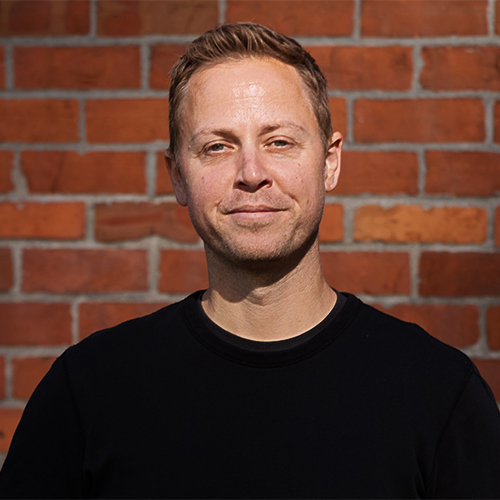
Adam Scalena
Adam is a full-service realtor, specializing in Vancouver’s best areas. His systematic approach to real estate and dedication to his clients has consistently placed him within the top 10% of realtors operating within Greater Vancouver.
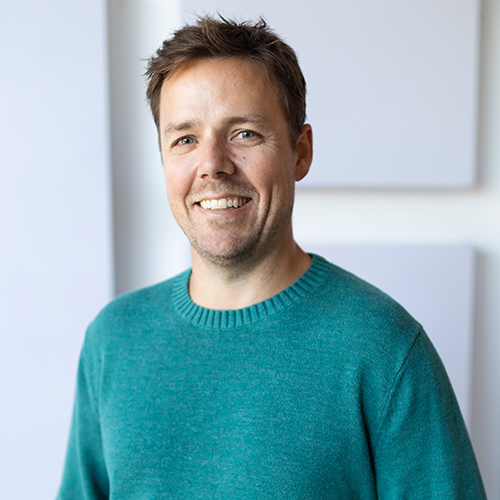
Matt Scalena
Matt is real estate obsessed and considers himself a lifelong student of the Vancouver real estate market. As a co-manager of the Scalena Real Estate team, Matt prides himself on expertly advising buyers and sellers on all aspects of the fast-paced, dynamic Vancouver real estate market. He is present at every stage of the process, from that first phone call or email right through to when keys are exchanged between sellers and buyers.
Sponsors




This transcript has been lightly edited for clarity and readability.
📄 Full Podcast Transcript – Interview with Darren Kwiatkowski
Matt Scalena: We’re here with Darren Kwiatkowski, Executive Vice President and Founding Partner at Shape Properties. How you doing Darren?
Darren Kwiatkowski: I’m doing really good, Matt. Thank you.
Matt Scalena: Thanks for taking the time. It’s shocking to me that we’ve never had somebody from Shape on, so really excited to talk to you today.
Darren Kwiatkowski: Likewise. Thank you guys. You and your team are doing an awesome job. So honored to be invited to be a guest today.
Matt Scalena: Well, maybe for our guests that don’t know you, Darren, and don’t know Shape Properties, can you start by telling our listeners a little bit about yourself?
Darren Kwiatkowski: Sure. Today I’m married to my wife, Jamie, for 26 years and we have three wonderful daughters, 22, 20 and 16. We live in Tsawwassen. But I grew up in Prince George. My family lived there for all my childhood. My dad worked at the fault mill. My mom was a legal secretary. Growing up, I was shy, probably call it social anxiety today. But I was super competitive and loved sports and any game that had strategy to it. Hockey was my favorite. I dreamed of playing in the NHL. I was decent. I wasn’t a superstar. I was able to make the WHL when I was 16.
I played for the Kamloops Blazers and then proceeded to get traded four times. So I played for five different teams in four years. I like to think that everybody wanted me, but it was probably in-person. When I didn’t get drafted, I started thinking about Plan B. So I went to university at UBC, took commerce, which it was called at the time, urban land economics and between third and fourth year I thought I should try to get a job in the industry versus going home to plant trees or work at a pulp mill.
So I picked up the yellow pages at the time and looked up commercial real estate firms and started dialing. I was fortunate to get a job with a company at the time called Moulton Realty which was a boutique firm doing large office lease sales and transactions. While I was there for the summer, I figured out who was involved in the large transactions and I was able to convince them to hire me when I graduated the next year, which was 1993. I started off as the assistant with Bob Levine and Michael Gill. Bob Levine is still in the industry with Avison Young. Michael Gill died a few years ago.
About a year into my time there at Moulton Realty, we were out for dinner one night and Bob tapped me on the shoulder and said, “We’re leaving.” I said, “What do you mean?” He said, “Mike, Bob, and myself, Bob Levine and one other gentleman, Andrew Turner are leaving. We’re moving to start our own firm and we’re hooking up with two individuals from what was called Loyola Page at the time, now it’s Cushman Wakefield, which was John Horton and Mark Kwana.”
That was the startup of what’s now Avison Young. I was employee number one on the brokerage side. John Horton is my partner at Shape today. Mark Kwana heads up real estate for Nicola Wealth. Super exciting to be part of a startup. I was there for six years. I wasn’t the best broker in the world. Probably because I couldn’t help myself from getting too deeply in the weeds. At the time you didn’t have full teams to do research, which they do now and are able to put parties together and do proper research.
I had the opportunity to join a development company at the time called First Pro Shopping Centers. Now they’re called Smart Centers REIT. At the time they were super active and I was there for six years and then decided to branch out and I hooked up with John Horton and two other individuals, Brad Stokes and Graham Johnson and the four of us started Shape, that was 2005. It’s been 20 years and it’s been an awesome ride and super thankful and grateful for all the opportunities that God’s given me. It couldn’t happen without a lot of other individuals, but it’s pretty wild starting off with Prince George and now working on a big project.
Matt Scalena: Before we get into Shape, I just got to ask – the WHL in the late 80s strikes me as one of the maybe toughest times to be in the WHL. Any horror stories?
Darren Kwiatkowski: My first exhibition game, I was in Kamloops, I was 16. Our first game was against the New Westminster Bruins, the big bad New Westminster Bruins. They had just hired a legendary coach, I believe it was Ernie McClain. The night before, bench brawl, full on, I think it was in Chilliwack against Seattle, full on bench brawl, everybody fighting. I’m looking at this the next night thinking, “Oh no.” It was different times and intimidation was a big part of it.
Matt Scalena: And I guess as a 16 year old, for listeners who don’t know, you’re playing 21 year olds as well, right? There’s a big age gap there.
Darren Kwiatkowski: Yeah, Craig Berube is on our team and is now the coach of the Toronto Maple Leafs. He was the goon. He was a man. A man. I’m this shy kid. It’s probably the best thing that ever happened to me, just being put in that circumstance. As funny as it sounds, getting traded to five teams over four years forced me to get out of my comfort zone.
Matt Scalena: So after the WHL went on to UBC, why real estate? It sounds like your competition is kind of in your blood, but what drew you to real estate?
Darren Kwiatkowski: I had Plan B. I was always interested in business. I used to love reading biographies. It was mostly Bobby Orr and hockey guys. What made them successful. I was in the library in the summer in Prince George. I’m going tree planting, I think. I’m going to go get some reading material. I go to the library and I’m walking through the business section and there’s this book. It’s called Zeckendorf. I bought a copy two years ago. It sits on my… I thought it was super cool.
So it was William Zeckendorf and the title is “The Autobiography of the Man Who Played a Real-Life Game of Monopoly and Won the Largest Real Estate Empire in History.” I read it and it’s like, yeah. I always loved cities. I grew up in Prince George, but we had relatives in Vancouver and Edmonton, Winnipeg, down in San Francisco. My family went camping all the time. It was okay, but I loved going to cities.
So it was probably a distraction to my hockey career. I remember, I don’t remember my first goal, but I remember being on the bus, the Kamloops Blazers bus, driving into Seattle. The rink at the time was right beside the Space Needle, beside where Climate Pledge Arena is now. So driving down into the city, the hub and the vibrancy, I was like, “This is so cool.” So when I saw this book, like Monopoly, cities, sure enough, I read this thing and it’s like, he’s the Wayne Gretzky of real estate.
Notable projects: United Nations building in New York, Century City he started that in Los Angeles, Place Ville Marie, I think I’m pronouncing correctly, Montreal. And you’re not gonna believe this one – the last development he did before he died was Brentwood Mall in Burnaby. He was one of the founding partners in Trizec. Full circle 2009, we bought Brentwood Mall. You can’t make this up. It’s so bizarre. When I remembered about it years later, I went out and bought the book because I thought this is kind of meaningful.
Matt Scalena: Moving on to Shape. So you get into real estate, you’re in the commercial broker world. Can you talk about the founding of Shape and the vision? For listeners who somehow don’t know Shape, you’re doing projects like the Brentwood, Lougheed town center. You’re doing these massive scale projects unlike anywhere else in Metro Vancouver. Can you talk a little bit about the founding of Shape and did the vision evolve or was that kind of day one?
Darren Kwiatkowski: No, it all evolved out of circumstance and opportunity. We started off like our backgrounds, we had lots of experience in shopping centers and retail. So we started off focusing on buying existing shopping centers that we thought were super well located, underappreciated by the market that we thought we could add value through static renovations, lease up, densification, rebranding, and 50% ground up Greenfield Brownfield retail development.
When we started in 2005, the first property we bought was Port Alberni Mall on the island out of bankruptcy. We had really strong relationships with the retail and the anchor tenants. I’d worked a lot with Walmart. My partners worked with Home Depot, Canadian Tire. One other had covered all the active tenants, the grocery stores, Loblaws, the mid-sized tenants, the Winners, the Best Buy. So we knew that was our wheelhouse. We knew what markets they wanted to be in, what markets they weren’t.
We were shortly thereafter we bought Nanaimo. It was Woodgrove Mall at the time. Now it’s Nanaimo North Town Center. We were able to do a Canadian Tire, added to the site, a Best Buy and that started the rejuvenation. Over a few years it started to become, move from secondary tertiary markets to suburban Metro Vancouver markets, Calgary, and this low density single purpose retail became more compact, underground parking, structured parking, more urban.
Then 2008 happened. Global financial crisis. We get a phone call from a broker in Toronto. He’s listed for sale. Brentwood Town Centre Mall. 2007, we would have never got a phone call. There would have been a lineup of 20 buyers and we were just starting out small. 2008, the broker’s flying out to Vancouver, he’s trying to set up meetings with investors. He’s struggling to get meetings. I can tell. So we were at the bottom of the list because we bought these struggling malls. Brentwood wasn’t really necessarily the same category, but it was three kilometers from Metrotown. It needed renovations.
Ultimately we knew, just given our history, we knew that it was, but we didn’t buy it with this grand plan. We were the only offer, I believe. Maybe there was one lowball offer, but I could never be able to verify that. We were the only offer. For a few reasons, one is it was quite large. So it was just over $100 million, which puts it out of the price range for lots of buyers. Most of the institutions were all on the sidelines in 2008.
We bought this on fundamentals, not in the grand plan. 33 acres at Lougheed and Brentwood on the SkyTrain, good holding income. That was the thesis. Minimum risk, this can’t get worse, this is only going to get better. And if we’re lucky, we’re going to be able to negotiate with anchor tenants and free up development rights. Because at the time it was Zellers, Sears, London Drugs, they all had restrictions on the parking lot. So there was no guarantee that we were going to be able to do what we did.
Fortunately, my partner, John Horton, who’s president and CEO, he had a strong relationship from his brokerage days with what was Ontario Pension Plan. We built the shopping center with them in Abbotsford. They owned at the time, Willowbrook Business Park just down the street. So they knew Burnaby and frankly, they were one of the few institutions just willing to, in the middle of the meltdown to look at new sites. But it was basically, here’s the fundamentals.
We bought it and we sat down at the city. We knew they had it identified in their official community plan for mixed use densification, but we sat down with the planner at the time and the first thing out of their mouth was, “We don’t want you to build towers in the parking lot.” I’m like, “What do you mean? Your OCP says…” “Well, if you’re going to build towers, we want that part of a holistic master plan that transforms the suburban shopping center into a city center with real roads and public realm and connectivity into the urban fabric.” I’m like, we came from suburbia, low density. I’m like, “Okay, that sounds complicated.” But in hindsight, it was the absolute best thing we could ever heard.
That was the differentiator. We’re able to free up the no builds. We’re able to put in place a master plan that transformed what is a suburban mall into what really feels like a city center. Not only was it transformative for the property, it was transformative for us at Shape as we’ve been able to follow that up with purchasing Lougheed Shopping Center five miles, eight kilometers down the road and then partnering with Cadillac Fairview at Richmond Center to do similar things, master plan, mixed use on SkyTrain. So that’s the history.
The super tall buildings there, again, that wasn’t the plan. We sat down with the city and they’re like, “Okay, well, if we get the consulting team, everyone gets around the table, the design charrette.” At one side of the property, the north side, you got single family homes and at the south west corner, you got the SkyTrain. Well, it just makes sense that you’re going to skew the density closest to the corner.
The city and their plan had this requirement for this civic plaza, which we were very fortunate. The mayor was like, “We want this to be an urban plaza. We’ve got SFU, we’ve got Deer Lake, we have Central Park, we want the urban plaza where we can gather, where we can have a drink and watch the hockey game.” So it started the exercise of where that plaza goes and then it ends up for various reasons, we thought we’d activate it, make it super active by putting it right beside the SkyTrain. So that pushed the towers out of the way to make enough room.
So the towers had to get taller, then we end up with two 60-story towers. So yeah, is there some ego that we built 60-story towers? Sure, but it wasn’t the fact, we weren’t starting with, “Okay, we’re going to build the tallest tower.” No, because it comes with its challenges and that’s the story.
Matt Scalena: So you have that meeting with the city of Burnaby. Can you talk about like the scope of this project seems to me so massive that if you’re buying suburban shopping malls and kind of growing and you get this opportunity in Burnaby, but for them to kind of lay that down, here’s what we’re looking for to create kind of a second downtown center in Burnaby, apart from Metrotown, it just seems like such a massive plan. Can you kind of walk us through, in a very brief way, how do you even start to think about how to do that?
Darren Kwiatkowski: Yeah, well there’s obviously real estate is real estate and money. My wheelhouse is thinking about the real estate and the plan side. My partner John Horton has done a fantastic job of fostering relationships with the pension funds and on the money side. But yeah, again, it evolved. It’s like, okay, great, we bought into this master plan idea, but then it’s where do you start?
Do you start on the edges? Ultimately, we decided the best move was to be transformative. So I like to try to be as risk adverse as whatever. So that’s probably the one move is the organization that Metrotown was so close. It was like, okay, we got to build something different and it needs to be transformative. So we thought the first move was the corner next to the SkyTrain station. It was the tallest towers. It was the plaza. It was the outdoor environment that mixed use story.
The city was fully behind us. Like we want a world-class development and we decided to go for it. Our leasing team canvassed the world for tenants for the retail. We were fortunate to get many first to market and local and regional. The two, we started off with two residential towers and ultimately we added a third into phase one.
But again, our strategy was no one had ever sold two residential, two 60 story, not one, nevermind two. So our strategy was that we designed the towers that they were, each tower was half rental and half condo. So there’s six elevator cores. So there’s two lobbies. So three elevators go to the top 30, three go to the bottom. So both towers were designed that.
Because we’re building this retail at the same time, so we didn’t want to get stuck in our residential market where we couldn’t sell all the units. So the strategy was, and our partner HOOPP was on site because they were interested in the asset class, they wanted rental. So it was virtually through our approvals, we were basically half sold because they were designed rental. When we went and marketed it, the market was strong. So we ended up selling all of tower two as condo and on tower one we kept 300 residential units.
So that was how we de-risked as best we could this big project. But yeah, it definitely helps that we had a pension fund partner beside us just with relationships with the banks and the covenant.
Matt Scalena: So I guess, you bought Brentwood Mall during the last real serious downturn in 2009. The scale of these projects are, you’re still… Brentwood is kind of coming to fruition in the last couple years. It’s become a very exciting place to be. These are project lengths that are decades, not years, right? I’m just thinking of where we’re at today. Can you talk a little bit about how you’re navigating the ups and downs in these real estate markets? Like you mentioned how you sort of mitigated risk with the apartment component. But now you’re at the city of Lougheed is another one of your projects. Like you have multiple projects on the go. How do you kind of deal with market cycles?
Darren Kwiatkowski: Yeah, sure. 20/20 hindsight’s 2020. We’ve been 20 years. We made it through all these cycles. So looking back, there’s a few things. First of all, I think there’s a lot of noise and in 2025 is more noise than ever. Just because of social media, you’re just bombarded. Social media accentuates it because sharp headlines, strong statements get more clicks. That’s the environment.
So I think it starts with fundamentals. Was 2008 a good entry point to the market? Sure. Is 2025 a good entry place in the market? Absolutely. I think you can overthink the market timing of it. Although I recognize that there’s good entry points because these projects are long, the obvious is that we’ve got to recognize their cycles. And the most important thing, sounds flippant, but you don’t want to run out of money. So as a company, you need to manage cash flows.
Because of our evolution, we had combination of income producing properties and development properties. So development might be cycling, but we were still getting revenues from our income properties, from property management, asset management, leasing, etc. So we were diversified from a cash flow. We started off in retail, and then added home building to it. So we were diversified into asset classes, being commercial and residential.
As I mentioned, there’s this flexibility to move between rental and condo, depending on what makes the most sense from either financing perspective or pre-sale perspective or just the most profitable. And then I would say, and again, we stumbled into this is we have these master plan properties, there’s holding income. We had no pressure to put a shovel in the ground. So you can, with ourselves and our partners, we can decide to go on a new construction project when we feel confident and safe on the fundamentals at that time.
You’ve seen it in the market where if you were buying land in 2019, 2018 at the peak of the market, and had the interest rate clock ticking on your land and now housing, you got inflation going up and you got housing prices sitting flat or ticking down. We’re seeing that now with the foreclosures and the bankruptcy. So having the advantage that we didn’t have to build, I think on the flip side, we learned that the cycles are sharp, the movement is sharp.
The cycles could be three, they could be eight years, but prices and sales volume don’t move linearly. It’s not like this nice graph. If your housing prices went up 5% in 2021, it probably went up 5% in two months. It might’ve been 45 days and you know this better than I do. And it’s the same with sales volume. So you don’t want to miss those. So we’ve really focused on being able to be in the market at any time.
In this big project, it costs money to get through all the pre-construction, all the drawings, all the process with the city. So fortunately our partners have aligned with us and we’ve kept projects moving forward so that we can be in the market and not miss the sweets.
Matt Scalena: That’s a really good point. And one I don’t think we talk about enough that when the action happens, it’s pretty dramatic, right? In the residential side, we get these demand shocks that overnight, you’re talking about different price points. Darren, I’m just thinking about how your investment thesis has changed. You mentioned early on, kind of the starting core thesis. Can you talk about Shape’s investment thesis or how you’re thinking about these projects today and how it’s evolved over time?
Darren Kwiatkowski: Yeah, we started off in retail and low density. But in the back of our minds, we knew that the world was shifting towards more mixed use, more organization. The land use planners were way ahead, ahead of the market. So Brentwood came our way and the market moved with us. We were very fortunate that from all kinds of the retailers, when we were doing those low density shopping centers, they didn’t want to talk about structured parking. They didn’t want to talk about two level retail. It was all about the automobile parking in front of the door so we knew that was changing. But we knew that program. We ran with it to get the company started.
So Brentwood gave us the canvas to really get into mixed use on transit. Somewhere along that spectrum, it wasn’t all of this grand plan before. We realized the power of what we have fallen into is that these malls sitting on, these regional shopping centers sitting on SkyTrain stations is the perfect canvas for a mixed use complete community.
Which is the holy grail of planning, but now it’s the holy grail of the market. They used to talk about mixed use, a complete community would be like Burnaby or Richmond. So meaning you could do all your everyday shopping, recreation, all within Burnaby, you don’t have to leave. Well, the regional shopping center, because they’re large, there’s a million square feet of retail, et cetera. So baked into that is full spectrum from service to fashion to restaurants from fast food, quick service, casual, premium, the full range, your lawyers, your insurance broker, the recreation facility. So that is so powerful in the Vancouver context.
Everyone’s not the same. And then you attach it to the seamless connection to the SkyTrain. Yeah, we figured it out along the way. The city, society moved with us as far as it’s not for everybody. But if you’re living in an urban environment, often you’re, cost of housing, the expenses here are living smaller. So you need access to restaurants, to meeting places. So society was moving with us.
There’s lots of other places, ways to make money in real estate. But we landed on this one. And it’s complicated, operating, doing these developments around an existing shopping center, Richmond Center, I believe it’s the number six, it’s in the top 10 for sure, highest performing shopping centers in Canada.
We’re going to knock a Sears down alongside Cadillac Fairview and build a mixed use new retail street, new homes. So there’s logistics, there’s loading, it is so complicated. We were just fortunate that we got the experience because we had to figure this all out. So now that we’ve figured it all out, we’re still learning. But it’s become a niche for us and we’ll run with it while we can.
Matt Scalena: How important is the SkyTrain to the vision that you’re implementing now in terms of these shopping centers along SkyTrain? How important is being on the SkyTrain in your mind?
Darren Kwiatkowski: Yeah, it’s important to recognize the local context. Real estate is not this one massive. Every city is different. But in the Vancouver context, and I would say Richmond, Vancouver, Burnaby, Coquitlam, New Westminster, in that context, SkyTrain is super important.
I think it’s probably more important than even the people are talking about it. Because it’s like lakefront property. They’re only building so many stations on those lines. So they added one extra one in Richmond, but they had planned for that before. So all of sudden, there’s a scarcity. People want to be near it. It’s getting more and more congested moving around, you want access to the SkyTrain. It’s just, it’s super, it’s one of the boxes to tick. And now you’ve limited it to, you’ve limited the best real estate sites from an urban perspective down to these SkyTrain stations. Because it’s like lakefront property, I would argue that.
It’s not the same, being adjacent to it is like having your garage or your car in the basement. You wouldn’t want to walk two blocks to your car, whether it’s electric or not, parked two or three blocks away. It’s the same with the SkyTrain. It is super important. And then you think that it’s different than talking about transit and your transit communities because it’s different than all other transit. If I’m in my car if I’m walking on my bike or I’m on the bus I can get out wherever I want so when you talk about location you talk about a location the neighborhood that neighborhood is really good but it doesn’t matter if I’m three or four blocks, five blocks, that neighborhood is long. It doesn’t matter.
Before SkyTrain came, if you’re in Brentwood or whatever, you could be like, “I’m in Brentwood.” Great, whether you’re a retailer or whatever, if you’re an office tenant or a home, “I’m in Brentwood.” That’s a great neighborhood. I want to be in Brentwood. As soon as you put the SkyTrain in there, everyone just comes out one door. Now you push everybody, they’re coming out that one door so it changes everything. So if you’re a retailer and you’re good, it’s very like so you’ve got competition. So if your competition is sitting there right at SkyTrain and the significant traffic coming out of that SkyTrain station, what are the chances of you walking past your competitor if you’re two or three blocks away?
And if you’re employer, where do you want the office? So this wasn’t 20, 30 years ago when I started in the business, we didn’t know what SkyTrain was going to do. Everyone thought, “OK, this is great for the environment or whatever.” But, do you want to be right next to SkyTrain or to be a few blocks away? You want to be right at SkyTrain. Different markets, the importance of transit in SkyTrain is different. But the ones I mentioned, it’s a game changer.
Matt Scalena: What about like, are all SkyTrain stations created equal? From an investment standpoint, how are you thinking about these lines and about these SkyTrain stations? Is there how are you distinguishing between them and what’s important and what’s not?
Darren Kwiatkowski: Obviously I’m biased, but they’re not all created equal. I think the fundamentals are scarcity of land and population growth. If you just pull yourself up to 40,000 feet, if you want to make money in real estate, it’s population growth and supply constraints that generally over time will raise values, whatever. So that’s at 40,000 feet. But then I think, I would bring it down to which neighborhood and which SkyTrain station is, demand and scarcity.
So if you start going to each different SkyTrain stations, and some of them are, you can see where development can happen and not happen. So sometimes, it, you know, it’s changed a bit now that the province pushed on municipalities zoning at all of them or whatever. Before that, you would look at it and say, okay, you throw out 70% of the SkyTrain because there was just no development opportunities around it. So it’s opened up a lot more.
I think in Vancouver, Richmond, Burnaby, Coquitlam, SkyTrain is super important because it’s connecting these town centres and they’re all linear and extending out to UBC along the Broadway line. That all really works well. SkyTrain works well when the urban growth patterns are linear. So you’re connecting these town centers. Now you can really use it.
So I would say that jury’s out, SkyTrain is an important piece of the Fraser Valley puzzle, but it plays a bit different role. It’s more of a regional rail lightning. It gives you access. You’ll be able to go from Langley to downtown and super as an alternative. And if they ever built SkyTrain farther east from Coquitlam to Port Coquitlam to Pitt Meadows to Maple Ridge, it’s all linear so that works really well.
Surrey and Langley are big squares and they function different. You got Scott Road, you got 120th, you’ve got King George, you’ve got 152nd, you got 176th, you got 200th, it functions in this square grid so it’s like people aren’t moving around in their lives as much with SkyTrain. It’ll be great convenience, be able to get downtown or move around but it’ll be interesting to see how that unfolds compared to some of the ones that I said that have this more linear, this established regional town centers. So that’s a long-winded answer to it depends a little bit.
Matt Scalena: No, that’s super interesting though. So almost the new line in Surrey out to Langley is almost in your mind like regional rail, like another kind of West Coast Express, probably easier.
Darren Kwiatkowski: Yeah, these lines also shape. There’s two things going on. It’s connecting development, but it’s also shaping development. So over time, that Fraser Highway linear route, that will build up over time. And I think that’s all positive. That’s all good.
But where people’s workplaces are, where recreation is, it’s not quite the same, all I’m saying is you have a Langley event center here and you got SkyTrain down at Willowbrook, you’ve got business parks, you got industrial, your life out there I believe is a little more dispersed. So lots of growth out there, super interesting opportunities and lots of opportunities to make money, it just might look a little bit different than Burnaby, Richmond, Coquitlam.
Matt Scalena: And are you, do you mentally kind of rank like hypothetically, Brentwood versus Holdom station, you know, right next to each other. Obviously the amazing Brentwood, the Brentwood town center is right at Brentwood, but how are you making, I’d love to hear your thoughts on kind of just the different stations in the along the SkyTrain lines and how you’re kind of differentiating them or thinking about them.
Darren Kwiatkowski: Yeah, so again, there’s different ways to make money. Everyone doesn’t want the same environment. But I do think that a significant portion of the population, the magic of the mixed use complete community all within 400 meters of your front door in SkyTrain, that’s a super powerful formula. So I would suggest that that appeals to more of the market than some of these other secondary SkyTrain stations. Doesn’t mean that they can’t do well. It’s just if you’re an urban buyer, you’re more likely to value accessibility to social gathering place, restaurants, urban. It’s not for everybody. People live in lower density, more quiet communities, whatever. But if you’re an urban buyer, I think that is a very powerful spot. And again, I’m always thinking supply and if it’s only one site or two sites, then you’re thinking, okay, well, but if there’s a bunch of competition, that’s how I’m ranking them, I’m looking at.
Matt Scalena: I’m kind of curious how, I guess, Shape or maybe just you, Darren, thought about kind of the COVID and what kind of happened in terms of kind of growth patterns and, you know, what everyone sort of started talking about for a couple years there, right? Everybody wants more space. Everybody wants a home office. It was almost the antithesis of what we’d all been talking about, which was, you know, kind of like the amazing Brentwood model, right? Everybody’s kind of right near with all the super amenity rich, but smaller spaces, but you’re kind of the world’s outside your door. How did you kind of think of it then when it was happening, when there was this push kind of away from urban environments? And secondly, where are we at now? Are we convinced that was like a COVID blip and we’re kind of moving back towards this kind of path that we seem to be on or is it something entirely different?
Darren Kwiatkowski: Yeah, I think that it has shifted, not as extreme as people may be predicted. When COVID was happening, we were making adjustments to our units, to our buildings. The flexibility of being able to work not in the office is here to stay. I think that the ratio, one of the major banks this week announced four days in, one day off. Most people, the office building is not going away. And I think that everyone agrees.
But what happened out of that was, so twofold. So on our side, at our properties, amenities for workspace, you’re not having to work, you can work in your unit. So we’re thinking about it in the unit. But then we’re also thinking about amenities at co-workspace, kind of your mini WeWork where it has some environment so that it feels comfortable working from home or near home.
And then I think in the office world, it’s accentuated this social gathering together stuff. So that was already in that sphere of the knowledge industry and that culture of social gathering, collaboration, creative city ideas. That was all there. It’s just now accentuated even more.
So you don’t, if you go into your work, now you know that you don’t have to stay home. Now you want to go to a workplace. I think the buildings that provide those amenities are going to excel.
Matt Scalena: You know, and this goes back to these kind of projects that Shape takes on being kind of decades long projects, not two, three, five year projects. But how does Vancouver look different in 20 years in your mind? I guess are you guys looking to other cities? I know early on you mentioned kind of going after retailers from other areas, other regional, but also outside of Canada to kind of add spark to the landscape of the amazing Brentwood. Like are you looking at other world capitals for inspiration or do you have a line on what we look like in 20 years?
Darren Kwiatkowski: Yeah, I think it’s two parts of that question. We do look, steadily look around the world for inspiration, different ideas. We employ in-house architects and one of their roles is we want them to travel. We want them to study, whether it’s Europe or Asia or Scandinavia or even the US. So we do that.
Vancouver is very unique and a lot of the world, especially North America, come here and study what we’ve done. So Vancouver has successfully stuck to an urban growth strategy, which was compact region with regional town centers where we’re going to focus density and growth and we’re going to connect them with transit. So that’s pretty unique. In the planning world, lots of people talk about it, but here all levels of government, the federal, provincial, municipal government, they were all on the same page. And generally that’s been pretty successful. And that’s what you see across Metro Vancouver, you see many more regional town centers with scale and height and density than you would in most cities in North America.
At the same time, Vancouver is young. It’s a young city, so we don’t have the historic and that kind of historic densification. So we’re somewhere in the middle. So I think when we look at other cities, we’re looking at more specific design inspiration, whether it’s building form or public plazas or walkways or greenways or affordable housing. We did a study on that. So we’re looking at specific things, but it’s important to not just cut and paste. That’s a recipe for failure to pick something that was done in Nashville and put it here or done in Copenhagen and you put it here or Shanghai. I think Vancouver real estate is very specific.
Part two, I think what your question was, what do I see Vancouver looking like? I generally think there’s just more filling out of that. I remember because Vancouver hosted Expo 86, there was all those aerial photographs, posters back before Google Earth, that showed the expo site with all the colourful pavilions or whatever. And you looked at that and well, South Vancouver, acres and acres of empty blocks. And now you look at it and it’s all filled in. So I think you’re going to see you’ll see that through all the town centers.
That’s what the map is going to look like. And I think you’re going to see more, the theme of urban intensification, I think is here. I don’t see the ALR being relaxed. I still see Vancouver as, Metro Vancouver as attractive on the world scale or provincial scale. So I think you’re going to see more mixed use sprinkled in through the region that’s not in town centers.
The principles of amenities and social gathering. I think that appeals to the creative class. And I would say the creative class is not just tech workers designing software. It’s an industry. It’s everywhere. The people are the same. We’re human beings. We like collaboration. We like new ideas. We like social. So I think you’re going to start to see the business parks, even light industrial, you’re going to see these areas become more mixed use, more intensified. And I think the planning world, 20 years ago, there was this very idea that you get distinct boundaries between land use. Well, in 2025, planners are much more on to the mixing. It’s much more organic. It’s much better.
Very reason. I think Metro Vancouver, it’s kind of like the lucky sperm club. If you do real estate in Metro Vancouver, you’ve been given this opportunity because of land constraints, population growth, there’s all kinds of areas where new opportunities are going to spring up and evolve. So super exciting. There’s lots of stuff that no one’s thinking about that, I think you’re out there because of that context.
Matt Scalena: Fantastic. You know, I wish Adam was here because this is his question. So I’ll try not to butcher it. So in real estate they say, buy the rumor and sell the news. You got a rumor for us?
Darren Kwiatkowski: Well, the rumor is that I would suggest that, it’s being talked about but not a lot is capital. Urban densification, the projects become larger and more capital is required. And attracting capital right now is difficult, but it’s needed to build these projects on transit. Because they’re higher densities, they’re just larger scale. So you need to attract capital. And right now, capital is risk averse. So it’s going to contribute to our scarcity.
Challenge the problem and right now we’ve got because of the cycle and inflation and housing prices not keeping up. You’ve got people on the sidelines because not doing housing starts, but as the market picks up and moves, the challenge is going to be capital. So I think what you’re going to see is it’s really going to narrow the playing field that from the bank lending equity partners, it’s just going to be more difficult. So developers with the bigger balance sheet or whatever, comfort, the experience. So it’s really going to lower the playing field. And so it’s really going to contribute to, I think, lack of supply on these on these higher density sites, which I think they’re still appealing to the public. And you’re going to probably see more competition in the wood frame space from the developers because they’re smaller projects. So that’s just my take on maybe something that’s dynamic that’s happening that’s probably not necessarily being talked about. It’s starting to be talked about a little bit, but yeah.
Matt Scalena: Yeah, that’s really interesting actually. Two more quick questions for you here. Just because we got you if you have a couple more minutes. You have an investment minded niece. She’s considering buying a property. Should she buy right now? And we should timestamp this June 2025. And what would you be suggesting she look at?
Darren Kwiatkowski: 100%. I think you could, like I said before, you can overthink the market timing thing, but right now clearly is we’re at the bottom of a market. When it turns, I don’t want to try and predict that, but it is going to turn. We need more housing and right now that product that’s the new product that’s hanging out there, whether it’s finished or about to be completed, that’s below replacement cost. We cannot build that same unit today with the same amenities, the same thing. So you’re buying below replacement cost. So at some point that gap has to close. So I think it’s a great entry point in the market because you’re buying below replacement cost.
Where? I’m biased. So maybe I’ll pick one of our projects and then maybe I’ll try and think of something else. The City of Lougheed project. The pricing there is a little bit lower. I think there’s more room for prices to move there. And I think it’s slightly underappreciated. The Lougheed SkyTrain station is super central. The energy is moving east. When you talk, if the economy opens up and more resource, more industry, all that stuff, it’s just easily accessible to it. And at the Lougheed SkyTrain station, City of Lougheed is on one side of the SkyTrain station and we sold land to Pinnacle across the street. There’s two sites. There’s two sites at that station. Everything else in my mind and I was biased on North Road, et cetera. It’s good, but it’s not at the SkyTrain. So I think there’s room in that market for price appreciation.
We’re planning phase two at Lougheed, which is right next to the station. It’ll feel very much like Brentwood with the restaurants and the plaza that all link phase one. It’s going to be a different place. So that would be my biased. And if I were to pick like, and this is completely blue sky because I don’t know this market at all or whatever, but yesterday I was in North Vancouver at a doctor’s appointment and if and when they run rapid bus down Marine Way, North Van is completely land constrained. It’s a beautiful place, access to the mountains, the SkyTrain away from downtown. I think it’s probably a little more expensive to build because it’s harder to get labor there. But I think when that congestion gets turned into a rapid bus running down Marine Way, I’m not sure how they connected on Lonsdale or whatever.
I think that’s a super interesting market as far as not many people are talking about it. It’s underappreciated. We don’t have a project over there. And it could change and all of sudden prices could move more than some other places because of the dynamic I just said. And like I said, I spent very little time analyzing North Van, but that’s something that I would be curious about.
Matt Scalena: Maybe we’ll leave it there. But Darren, we do have this segment called the Five Wire, Five Light-Hearted Questions to end the show. Do you have time to stick around for that?
Darren Kwiatkowski: Yeah, sure.
Matt Scalena: Okay, so the first question and we’ve already got one recommendation from you on the book front, but one book you’ve read recently that you’d recommend.
Darren Kwiatkowski: Yeah, I’m gonna take the opportunity. I haven’t read like I’ve struggled. I like to read. There’s nothing that’s really knocked me out the last year or two. But I’ll offer two suggestions. So my first one is Moneyball by Michael Lewis. It was a movie, but you got to read the book. Brad Pitt was in it. It blew my mind because baseball had been around for 100 years or more and you think that over the hundred years people are gonna figure it out. What’s the best strategy and along comes Billy Beane the manager of the Oakland A’s and some other people doing research and completely changed how they think about baseball, how they draft, what’s important or whatever. So I thought that was super interesting because as we sit here in 2025 and you think everyone’s thought of everything already. There’s not.
The second one is a book called The Problem with God. Wherever your mind is on spirituality and religion, I really liked it because it challenged, it took the hard questions like science, religion, if there’s a God, why is there all this suffering? Look, just, for so many years, if you’re religious, you couldn’t talk about it. You just gotta listen to it. So I thought it was super interesting. It’s Mark Clark, The Problem with God, wherever you are in that you’re thinking it was just an interesting read for me.
Matt Scalena: Fantastic. You know, this is a selfish question. Do you just thinking about baseball and how the game was transformed that way? Do you recognize hockey today compared to when you were playing in the WHL? Like because you were, I mean, obviously a very good hockey player. But I feel like that was such a different moment in the sport. How do you think about it, I guess?
Darren Kwiatkowski: Yeah, Moneyball opened my eyes to this thing. So now I’ve been kind of like, whether it’s hockey or football or whatever, it keeps changing. So after I played, when I played, it was, you were skating around like you had a piano tied to you. There was so much hooking and grabbing, that’s why you couldn’t make the NHL unless you were big and strong, because you couldn’t skating without someone holding you and pulling you. They dump the puck in and you couldn’t get near them. So then they started calling all that and then so then it opened it up smaller faster and then they got super defensive right remember the defensive neutral zone trap whatever like they couldn’t score any goals because they were so good defensively. Well lo and behold they figure that out.
So now it’s offensive, it’s open, they’re so fast. It’s puck control. They never dump the puck. They used to just dump the puck and go chase. Now it’s all about puck control. Sorry, I’m kind of excited about this, but pulling the goalie, that used to watch is like, no, well you see it in the playoffs. They had such good puck control that they’re pulling the goalie three or four minutes and whether they score or not, they got it down in that end.
Matt Scalena: That’s great. I feel like we could do a second episode just on that, honestly. But I know you’re a busy guy. In the last few years, what new belief, behavior, or habit has most improved your life?
Darren Kwiatkowski: I started writing. I’ve always thought better when I make notes and whatever, but I never, during COVID, I kind of started writing more formally. I did like taking topics or thinking in whatever it was I was interested in. It just advanced my thinking and when you’re forced to kind of complete your thoughts. And so I started writing and recently I started posting on LinkedIn. I’ve been on LinkedIn for 15 years and never posted ever. I’m the guy at the back of the classroom in the back row and I kind of thought, I don’t know, I’m 56 years old and all these ideas in my head, if I never say anything, it’s kind of like it just goes to the grave with me or whatever.
So putting myself out there a little bit trying to kind of raise ideas or thoughts that maybe everyone’s not thinking about or are kind of polarized and there’s maybe a middle path. But yeah, it’s flipping scary to post something that your peers are gonna read. So now it’s like, if I’m gonna say this, I gotta be convicted or feel like I’ve thought it through enough. So yeah.
Matt Scalena: It’s funny two guys talking on a podcast, but I feel like everybody can relate to that. But I can definitely relate to that. That’s for sure. There’s almost nothing scarier than hitting that post button. And I don’t even say anything. What have you been binge watching lately or a favorite movie recommendation for our listeners?
Darren Kwiatkowski: Yeah, I don’t binge watch much. But I do watch lots of documentaries. And there’s one on Netflix. I think they’re on season two now, but season one, Ancient Apocalypse, and Graham Hancock. It’s all about, well, it’s kind of like the same thing as Moneyball. It’s like we thought about the pyramids and all these ancient monolithic and Graham Hancock, the narrator says, thinks there’s missing pieces to the story and it doesn’t add up that, we know that they were super like these things are like the technical advancement of, how they built it. We can’t, we don’t know how they built it. And it’s super dialed into cosmology and physics.
And so the story goes is these things, these monolithic, whether it’s pyramids or Stonehenge or whatever, they’re on all the continents. They’re on all the continents. So it’s like, okay, well, how did they know when the story of history started in the Middle East or whatever, and it went from there? It’s like simultaneously in South America, they were doing the same things in Europe and North America. So it’s again, challenges the conventional thinking. So I love the first season anyway.
Matt Scalena: And what is the title on that?
Darren Kwiatkowski: Ancient Apocalypse. Yeah, so it’s on Netflix. You’ll see it. It’s still out in the last couple years.
Matt Scalena: Right on. Favorite band or music?
Darren Kwiatkowski: Yeah, every playlist is extremely various, but if I have to pick three, Eric Church, The Killers, and Triumph. There was a great documentary on Triumph that got me on to Triumph forever, so yeah.
Matt Scalena: Right on. Last but not least, and thanks again for your time, Darren. Something you have purchased for under $1,500 in the last year or two that has had a positive impact on your life.
Darren Kwiatkowski: Yeah, I say ChatGPT. I’m just on the edge of it. The access to knowledge is just unbelievable. I think that human creativity, creativity and innovation, I think comes from the human mind. It may be that machines be able to do it, AI, but it starts at the boundary of existing knowledge. So new ideas move existing knowledge to new, AI allows you to get to that boundary of knowing what information is out there today, instantly.
Just like why are steel buildings more expensive than concrete. What’s a comparable city in US to Calgary from demographics and industry and it spits it out. It lists it all. So it’s been super interesting. I’m just starting to and but my youngest daughter is not happy. They are, that’s taking up the amount of power and energy used for AI. So she’s like, “Dad, dad,” so, a bit of friction at our house when I want to ask ChatGPT.
Matt Scalena: Well, you know, it is just thinking about that. I’ve started. I really gotten into, ChatGPT over the last year as well. And I feel like I’ve moved on to asking like, how to say this, but I feel like it’s like you go back, you almost go to it. I’ve moved almost going to like first principles on everything I’m doing, trying to figure out what’s the baseline. Let’s ask it a question on how, how do I, how can I reimagine how I’m doing this? or recreate how I do things almost like I’m going, I started by asking like very kind of basics, like, you know, what do you Google search? And I feel like my how I’m engaging it now is so much deeper and and more kind of structural. It feels like, man, I don’t know what the world looks like in five years. But anyway, that’s a good one. We’ve never had that one. And it’s pretty good value. If I can’t remember what I spent a month on it, but it’s like, man, incredible value. So people that are using regular Google, how can people find out more about what you’re doing there? And I know you mentioned LinkedIn. I’ll plug you. Everyone should go follow you there if they don’t already. But how can people find out more about what you’re up to and Shape?
Darren Kwiatkowski: Yeah, I’m one voice. Shape is a team. So when I talk about the stuff at Shape, it’s like, I’ve been super fortunate that we’ve been able to hire great people that are much smarter than I am. So I feel guilty coming on here and talking like this is Darren Kwiatkowski. So, we need to put credit there where… And yeah, so shape.ca is Shape. Yeah, I’m on LinkedIn. If you search my name, you’ll find me. Yeah, hopefully what I’ve said…
Matt Scalena: Right on. Well, thanks again for your time.
Darren Kwiatkowski: Thanks, Matt. Yeah, pleasure.


